Science Communication
Communicating Science • Inspiring Minds • Building Scientific Temper
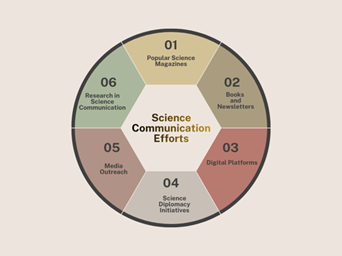
Science communication is a core activity of CSIR-NIScPR, aimed at promoting scientific awareness and fostering scientific temper among diverse sections of society. Through its popular science magazines, books, newsletters, digital platforms, science diplomacy initiatives, student engagement programmes, media outreach, and research in science communication, the Institute disseminates and popularises authentic scientific information to the masses and strengthens public engagement with science and technology.
Popular Science Publications
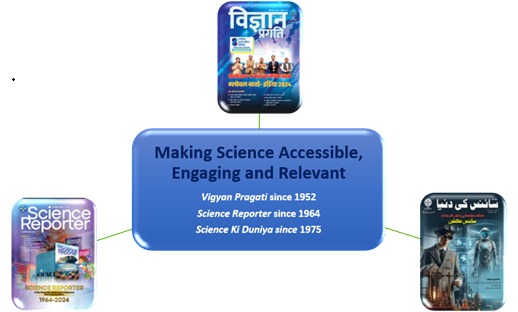
Making Science Accessible, Engaging and Relevant
CSIR-NIScPR takes science to the people through its three well-known popular science magazines: Science Reporter (English monthly), Vigyan Pragati (Hindi monthly), and Science-ki-Duniya (Urdu quarterly). The magazines find wide circulation throughout the country. Riding on their high-quality content, exquisite production, and timeliness, the magazines have today become one of the largest-selling popular science magazines in the country.
Science Reporter
India’s flagship English popular science magazine since 1964
Launched in 1964, Science Reporter entered its 60th year of publication in 2024. It provides readers with topical coverage of scientific developments from around the world, features on scientific concepts, profiles of scientific institutions & scientists, and expert views and opinions on critical scientific issues. The magazine also provides informative and interesting scientific reading material, such as amazing scientific facts, inventions & discoveries, science fiction, scientoons, puzzles, and much more. The magazine publishes special issues from time to time that focus on pressing and significant topics.
Vigyan Pragati
Promoting scientific awareness in Hindi since 1952
Launched in 1952, Vigyan Pragati entered its 71st year of publication in 2023. Vigyan Pragati endeavours to familiarise its readers with important current events/issues in the field of science. It carries science stories and feature articles on contemporary national and international scientific issues, events, missions, and initiatives, along with regular columns such as science fiction, crossword, science poetry, scientoon, book review, science quiz, etc. Special issues focused on specific themes were published from time to time.
Science-ki-Duniya
Popularising science among Urdu readers since 1975
Started in 1975, Science-ki-Duniya is a quarterly Urdu popular science magazine and is among the most widely read science periodicals in the country. For over five decades, it has played a pioneering role in nurturing a scientific temper among Urdu readers by democratising access to contemporary science and technology.
Each issue curates a dynamic blend of in-depth cover stories on frontier areas of science and nationally relevant themes, comprehensive feature articles on emerging scientific developments, interviews with leading scientists, including Nobel Laureates, and thematic explorations of pressing socio-scientific challenges — alongside engaging regular columns for students and children. Through this comprehensive and reader-friendly approach, the magazine continues to strengthen the culture of evidence-based thinking and informed public discourse in the Urdu-speaking community.
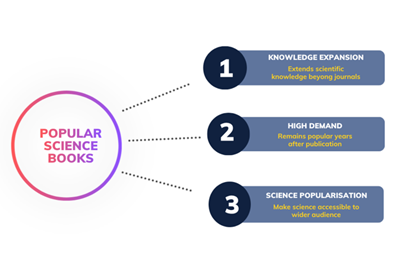
Popular Science Books
Extending scientific knowledge beyond periodicals
As part of its mandate to popularise science, CSIR-NIScPR publishes a large number of popular science books. Some of the old published books remain in high demand even several years after their publication.
Newsletters
Connecting the CSIR family and showcasing scientific achievements
CSIR NEWS & CSIR SAMACHAR
CSIR-NIScPR brings out two newsletters that showcase the latest and most prominent developments and achievements of CSIR laboratories. While CSIR News (English) was launched in 1951, CSIR Samachar (Hindi) was launched in 1984.
The newsletters are intended to serve as a prominent link among the various CSIR establishments. They also showcase the achievements of CSIR laboratories to other R&D organisations, universities, S&T agencies/departments, industry, mass media, and foreign agencies.

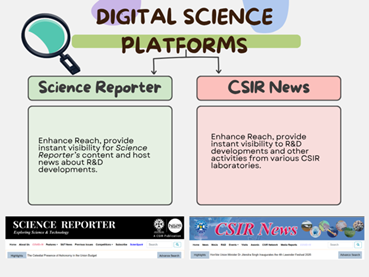
Digital Science Platforms
Taking science beyond print through digital outreach
Science Reporter Portal
To enhance reach, provide instant visibility for Science Reporter’s content, and host news about Indian R&D developments, Science Reporter has established a portal.
CSIR News Portal
To enhance reach and provide instant visibility to R&D developments and other activities from various CSIR laboratories, a CSIR News Portal has been established.
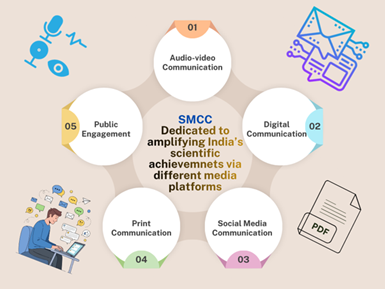
Science Media Communication Cell (SMCC)
Amplifying India’s scientific achievements across multiple media platforms
CSIR-NIScPR established the Science Media Communication Cell (SMCC) on 11 September 2023 with the key objective to augment popular science communication by disseminating R&D breakthroughs and outcomes from Indian scientific institutions and laboratories through different media platforms such as audio-visual, digital, social media, print and public engagement. The objective of this project is to prominently share the scientific programmes and achievements of CSIR laboratories and the country on social media.
Science Diplomacy
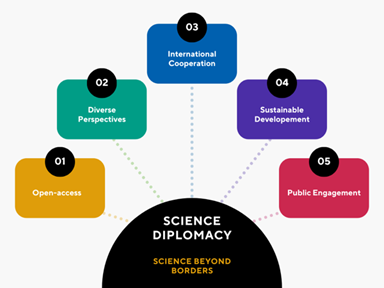
India’s Global Digest of Multidisciplinary Science
Launched in 2017, the Science Diplomacy Digest is an open-access quarterly publication of CSIR-NIScPR. It serves as a platform to enhance understanding of science diplomacy and its growing role in addressing global challenges and advancing sustainable development. It brings together diverse perspectives, opinions, commentaries, and general articles from scientists, policymakers, diplomats, researchers, and thought leaders worldwide. By featuring contributions from distinguished experts and practitioners, the Digest encourages dialogue on critical global issues and highlights the role of science in informing policy, strengthening international cooperation, and supporting evidence-based decision-making. Its readership includes researchers, academicians, science communicators, diplomats, policymakers, and professionals interested in science policy and international affairs. The Digest aims to foster greater awareness of the science–policy–diplomacy interface and inspire meaningful discussions that contribute to informed policymaking and global cooperation.
JIGYASA – Student–Scientist Connect Programme
Inspiring Young Minds • Fostering Scientific Temper • Building Future Science Communicators
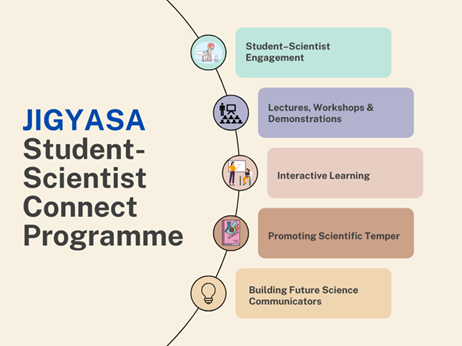
The JIGYASA-Student–Scientist Connect Programme is a flagship outreach initiative of CSIR that aims to nurture scientific temper among school students and develop effective science communicators. Through this programme, CSIR-NIScPR actively engages with students, educators, and scientists to promote curiosity, innovation, and evidence-based thinking and also strengthens the connect between science and society.
-
Student–Scientist Engagement
Conducts interactive sessions, laboratory visits, and outreach programmes to connect students with scientists and expose them to contemporary developments in science and technology.
-
Lectures, Workshops & Demonstrations
Organises expert lectures, workshops, hands-on activities, and demonstrations through both online and offline platforms to enhance scientific understanding and experiential learning.
-
Interactive Learning
Organises quizzes, debates, competitions, and other engaging activities that encourage critical thinking, scientific inquiry, and communication skills among students.
-
Promoting Scientific Temper
Creates opportunities for students to explore scientific concepts, understand real-world applications, and appreciate the role of science in addressing societal challenges.
-
Building Future Science Communicators
Motivates students to develop scientific curiosity, communicate scientific ideas effectively, and pursue careers in science, technology, and research.
Studies in Science Communication Division
Advancing research, innovation and capacity building in science communication
The Studies in Science Communication Division, CSIR-NIScPR aims to strengthen inclusive Science Communication (SciComm) and SciComm research.
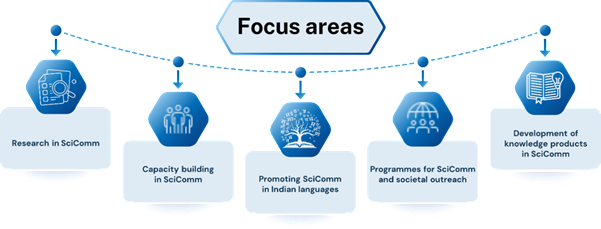
Focus Areas
- Research in science communication
- Capacity building in science communication
- Promoting science communication in Indian languages
- Development of knowledge products in science communication
- Organising programmes for science communication and societal outreach