Project Reports
Sponsored Projects
Project Code: Grant-in-Aid Project; GAP-0126
PI: Dr Sandhiya Lakshmanan
Co-PI: Dr Naresh Kumar, Dr Shivnarayan Nishad
Duration: 2024-2026
Objectives
- To build a step-by-step inventory for the emission of NOx, CO, VOC, PM2.5, and BC from India's transport sector in accordance with BS requirements, and to estimate the emissions of various pollutants from the sector.
- To forecast how vehicle emissions will develop in the future, determine the achievable emission limits, and investigate methods for reducing emissions with clean technologies and fuel.
- To assess the implications of vehicular emissions for air quality and public health under the existing regulatory framework.
Outcomes/Results
The project has developed a comprehensive emission inventory for India’s road transport sector, covering key pollutants such as NOx, CO, VOCs, PM2.5, PM10, black carbon, and CO2, using both fuel-based and activity-based methodologies. It quantified emissions from both exhaust sources (two-wheelers, light-duty, and heavy-duty vehicles) and non-exhaust sources (tyre and brake wear, road dust resuspension) across ten major Indian states. The evaluation of Bharat Stage emission standards, particularly BS-VI, shows significant reductions in exhaust PM and NOx due to advanced technologies; however, non-exhaust emissions are becoming a dominant source of particulate matter. Road dust resuspension emerges as the largest contributor to non-exhaust PM, influenced by vehicle density, road conditions, and seasonal factors. Health impact assessments indicate a strong link between transport-related PM2.5 exposure and increased respiratory and cardiovascular diseases, especially COPD and premature mortality in high-vehicle-density states.
The findings further highlight that two-wheelers and light-duty vehicles remain major contributors due to their large fleet share and frequent usage, despite improved exhaust controls, underscoring the need for targeted mitigation strategies and inclusion of non-exhaust sources in future emission regulations and transport policies.
Project Code: H2T/09/2022-R&A
PI: Dr Madhulika Bhati
Co-PI: Shri Gurparsad Singh Bagga
Duration: 2022-25
Objectives
The project broadly aims to study and develop policy-oriented frameworks for the hydrogen economy in India, particularly focusing on science and technology policy interventions. The main objectives include:
-
Conceptual Analysis
- Examine the concept of the hydrogen economy globally and in India.
- Study technological pathways such as green hydrogen, hydrogen storage, and fuel cells.
-
Intellectual Mapping
- Analyse global research trends, patents, and knowledge networks in hydrogen technologies.
- Identify major countries, institutions, and research clusters working in hydrogen.
-
Structural Analysis
- Study the policy ecosystem supporting hydrogen technologies in India and abroad.
- Examine institutional mechanisms, R&D funding structures, and industrial participation.
-
Policy Intervention Framework
- Provide science and technology policy recommendations to strengthen India’s hydrogen ecosystem.
- Support national initiatives such as the Green Hydrogen Mission.
Outcomes/Results
This project examines the emerging Hydrogen Economy from conceptual, intellectual, and structural perspectives with special reference to science and technology (S&T) policy interventions. The study analyses global and national research trends, technological developments, and innovation networks related to hydrogen technologies through scientometric and policy analysis methods. It also evaluates the existing policy frameworks, institutional mechanisms, and strategic initiatives supporting hydrogen development in India. The project aims to generate evidence-based policy insights and support national initiatives such as the Green Hydrogen Mission. The outcomes are expected to contribute to strengthening India’s hydrogen innovation ecosystem and sustainable energy transition strategies. The project contributes by providing evidence-based policy analysis and strategic insights to support the development of a hydrogen economy.
Project Code: ANRF Grant-in-Aid Project; GAP-0127
PI: Dr Charu Lata
Duration: 2024-2025
Objectives
To provide a platform that brought together global experts to deliberate on the communication, dissemination, and contemporary relevance of Traditional Knowledge (TK) for sustainable development while addressing its ethical, ecological, and economic dimensions.
Outcomes/Results
CSIR-NIScPR organised the Second International Conference on “Communication and Dissemination of Traditional Knowledge (CDTK-2024)” in collaboration with Gurugram University, Gurugram, during 13-14 November at Gurugram University, Haryana. The conference, supported by CSIR and the Anusandhan National Research Foundation (ANRF), brought together global experts to explore the pivotal role of Traditional Knowledge (TK) in sustainable development. Through insightful sessions, panels, and exhibitions, the conference underscored the relevance of TK in modern times while tackling ethical, ecological, and economic challenges.
With 12 scientific sessions spanning two days, a vibrant CSIR exhibition pavilion, and participation by over 500 delegates, including international experts who engaged in discussions and contributed to 103 presentations (29 oral and 74 posters) that showcased TK’s multidisciplinary nature, CDTK-2024 culminated in a resounding success. The key recommendations emanating from the conference are:
- Integrating TK into educational curricula.
- Digitising and validating ancient manuscripts.
- Creating SOPs for integrating traditional medicine/folk health systems into modern healthcare frameworks.
- Promoting sustainable traditional farming techniques.
- Enhancing the economic potential of TK through grassroots innovations.
- Countering misinformation through social media and scientific communication.
Project Code: CSPS24/RDSF/NIScPR/IHP24/01
PI: Dr Suman Ray
Co-PI(s): Dr Arvind Meea & Dr Kanika Malik
Duration: FY 2024-26
Objectives
- Identify the stroke-affected hotspot regions of India.
- Identify the gaps in stroke prevalence, risks, contributing factors, and socio-economic implications.
- Ethnographic study (selected) of stroke for comparative analysis.
- Dissemination strategies for stroke prevention and management at the national level.
Outcomes/Results
LASI Study Analysis for Stroke Hotspots
Analysis of LASI data on stroke and associated risk factors among older adults (>45 years) identified region-specific risks and hotspot states in India. Key findings include:
- West Bengal reported the highest prevalence of stroke and family history of stroke.
- High cholesterol, diabetes, hypertension, heart disease, obesity, and related anthropometric factors were significantly associated with stroke.
- Punjab emerged as the highest-risk state, followed by Kerala and Mizoram.
- Lakshadweep and Chandigarh were identified as the highest-risk UTs.
CTRI Database Analysis
Analysis of stroke-related RCTs registered with CTRI highlighted key clinical gaps and challenges:
- Mismatch between stroke prevalence and the number of clinical trials across states.
- The majority of trials focused on physiotherapy-based interventions.
- Need for greater government participation, collaboration, improved trial quality, and timely dissemination of results.
- CTRI database requires regular updates and stronger screening procedures.
Newspaper Trend Analysis on “Stroke”
An analysis of ten national newspapers (2012–2024) examined science communication on stroke. Key areas requiring greater focus include:
- Importance of timely treatment.
- Diagnosis and medicines.
- Post-stroke care and rehabilitation.
Brainstorming Meeting
A “Brainstorming Meeting” was organised on 28 June 2024 at CSIR-NIScPR, New Delhi, with experts from AIIMS, ICMR, PHFI, and other institutions. Discussions focused on systematic review analysis, identification of hotspot/high- and low-burden areas, primary surveys using standard statistical methods, and policy recommendations.
Workshop on “Stroke in India: Prevalence, Risks, Challenges and Management”
A workshop was organised on 16 December 2025 to raise awareness on stroke prevention, the importance of timely treatment, and post-stroke rehabilitation and management, with participation of experts from BLK MAX Hospital and ABVIMS & RML Hospital, New Delhi.
Project Code: Grant-in-Aid Project; INSA/SPYSP/148/2019/273; GAP-0115
PI: Dr Charu Lata
Duration: 2021-2022
Objectives
Several Gram positive and negative plant growth promoting rhizobacteria (PGPR) are known to colonize rhizosphere and impart beneficial effects to plants including abiotic stress tolerance through various direct and indirect mechanisms. However, the molecular basis of plant-PGPR interaction for abiotic stress tolerance is yet not fully understood. Recently post transcriptional and post translational gene regulation mediated by microRNAs (miRNAs) during plant growth and development and various stresses has become an emerging field of study. However, the role of miRNAs in regulating responses to PGPR remains to be answered. Pseudomonas putida (RA) has been proposed as a very good PGPR for agricultural crops. The knowledge of gene expression and a better understanding of the role of miRNAs in model plant Arabidopsis thaliana will thus, help in understanding RA-mediated plant growth promoting attributes and stress regulatory mechanisms.
Outcomes/Results
Genome-wide profiling of small RNAs and the stem‐loop RT–qPCR analysis demonstrated that miR393a-5p was significantly up-regulated in P. putida RA-inoculated Arabidopsis as compared to the control. miR393 has been reported as a key regulator of auxin signaling and actively participated in numerous aspects of plant growth and development, like root and leaf development. Therefore, functional study was carried out to establish the role of AtmiR393a-5p-mediated growth and development of Arabidopsis. P. putida RA-responsive miR393a-5p precursor sequence was selected from A. thaliana, cloned and functionally characterised in homologous system (Fig. 1A-D; Table 1). Previous studies have been reported that miR393 negatively regulates their targets which encode F-box-containing genes, such as TIR1 and AFBs, in a variety of plant species.
Previously, root development analysis revealed that miR393 overexpressing Arabidopsis seedlings exhibited slightly longer primary root and fewer lateral roots. However, overexpressing Arabidopsis seedlings of TIR1 and miR393-resistant form of TIR1 (mTIR1) have shown shorter primary roots and more lateral roots.
In the present study, target prediction analysis revealed that AtTIR1 and AtAFB2 were predicted as the target of AtmiR393a-5p. AtmiR393a-5p overexpression resulted in significantly induced expression of miR393a-5p and significantly down-regulation of its predicted targets, AtTIR1 and AtAFB2 in T3 homozygous Arabidopsis plants. Taken together, AtmiR393-5p-mediated regulation of TIR1 and AFB2 is important for Arabidopsis root growth and development. miR393a-5p overexpressing Arabidopsis exhibited diverse plant growth and development attributes, such as increased shoot length, primary root length, biomass, number of lateral branches and number of siliques in comparison to the Col-0 wild type plants (Fig. 2A-B). This research has therefore, provided useful insights into the understanding of roles of P. putida RA-responsive miR393a-5p in plant growth and development.
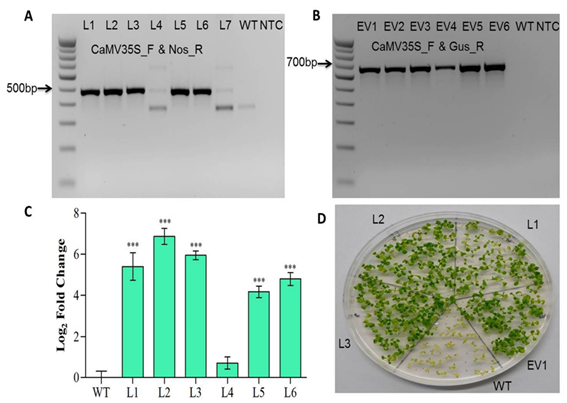
Fig. 1A-D: Screening of Arabidopsis transgenic lines. (A) PCR-based screening of miR393a-5p overexpressing lines; (B) PCR-based screening of empty vector transgenic lines; (C) Expression analysis of miR393a-5p in transgenic lines using qRT-PCR; (D) Homozygous T3 overexpressing lines, L1, L2, L3, EV1 and WT plants growing on ½ MS medium containing 50 mgL-1 kanamycin.
Project Code: Grant-in-aid Project; ECR/2017/001593; GAP-0116
PI: Dr Charu Lata
Duration: 2021-2022
Objectives
Several Gram positive and negative plant growth promoting rhizobacteria (PGPR) are known to colonize rhizosphere and impart beneficial effects to plants through various direct and indirect mechanisms. However, the molecular basis of plant PGPR interaction in rhizosphere is yet not fully understood as it is not a case of characteristic “gene-to-gene” interaction. A knowledge of GRAM-domain containing genes and a better understanding of their role in various abiotic stresses will not only help in understanding PGPR mediated stress responsive mechanisms but will also help in designing better strategies aimed at improving stress tolerance of crop plants. The study is expected to enhance our understanding on PGPR-mediated novel molecular mechanisms operating in model crops Arabidopsis and rice for abiotic stress tolerance.
Outcomes/Results
For functional validation, selected candidate genes [OsGRAM57 (579 bp) and AtGRAM 10 (819 bp)] were amplified and cloned in pGEMT-Easy vector and confirmed by EcoRI restriction digestion (Fig. 1A-B & 2A-B). Further, both the candidate genes were cloned in pCAM1303 vector using their respective restriction sites, and transformed in Agrobacterium GV1301.
A. tumefaciens GV3101 strain containing pCAM1303:OsGRAM57 and pCAM1303:AtGRAM10 expression cassette used for flower dipping of A. thaliana (Col-0) plants. Seeds (T0) were obtained from flower dipped plants and considered as putative transgenic A. thaliana lines under the transcriptional control of CaMV 35S constitutive promoter.
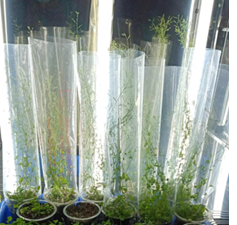
Floral dipped plants of A. thaliana
For the selection of putative transgenics, T0 seeds were sterilized and grown on ½ MS medium supplemented with hygromycin. Overexpressing lines with long hypocotyl and green expanded cotyledons were designated as hygromycin resistant transgenic seedlings, while those with pale unexpanded cotyledons were considered as non-resistant seedlings. Survival of transgenic seeds on hygromycin plates was considered as putative overexpressing lines. The selected transgenic plans were transferred on soilrite pots supplemented with OS medium.
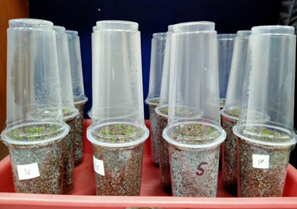
Hygromycin selected T1 transgenic plants on soilrite pots
Project Code: GAP-0117
PI: Dr Pushpanjali Tripathi
Duration: 2021-2022
Objectives
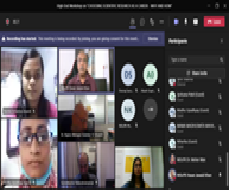
The high-end workshop on “Choosing Scientific Research as a Career: Why and How” was aimed at encouraging and informing students of M.Sc. second year about the importance of research and its role in nation building. Experts interacted with the students to provide them information about choosing research as post-M.Sc. career.
Outcomes/Results
About 30 students from universities attended the program via online mode. The queries of the students were discussed by the coordinator; feedbacks were taken verbally as well as through Google forms. The course materials and certificates were sent to the participants via post.
The program gave an understanding of how to choose a scientific research area, basic understanding of laboratory research, effective ways of research communication – writing format and presentation style, social responsibility of scientists, need for scientists as science communicators and S&T entrepreneurship opportunities.
Project Code: Grant-in-Aid Project; IEC/DL-06/2022-23-NMPB; GAP-0122
PI: Dr Charu Lata
Duration: 2022-2023
Objectives
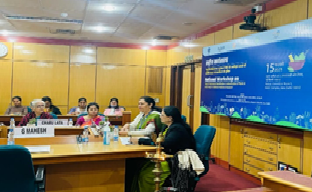
The workshop was organized for the registered participants of CDTK-2023. Drug development from medicinal plants and the importance of taxonomy in drug identification/authentication was the focus of the national workshop session.
Outcomes/Results
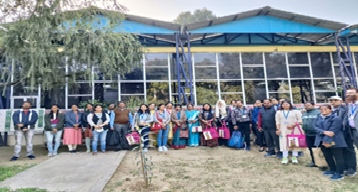
A total of 54 delegates participated in the national workshop. A total of 36 participants presented posters on different medicinal plants encompassing the theme of the national workshop.
Prof. Ranjana Aggarwal, Director, CSIR-NIScPR highlighted that the SVASTIK initiative was the vision of honorable PM Shri Narendra Modi's call for disseminating scientifically validated Indian traditional knowledge to the society. Prof. (Dr.) Tanuja Nesari, Chief Executive Officer, NMPB and Director, AIIA, New Delhi in her Inaugural Address illustrated the relevance of Indian medicinal system, and emphasized the importance of minimizing the gap between traditional knowledge and contemporary science and technological methods. Prof. (Dr.) Saroj K Barik, North-Eastern Hill University, Shillong highlighted the achievements of NMPB with regard to the organised cultivation of medicinal plants by farmers and their trade. Prof Indira Priyadarsini, DAE Raja Ramanna Fellow, University of Mumbai, Mumbai shared her views on how currently available medicinal plant/Ayurvedic formulations have quality control issues and how relevant this aspect is for reproducibility in experimental research studies. Dr Sharad Srivastava, CSIR-NBRI, Lucknow focused on the relevance of authenticating medicinal plants for usage in R&D activities. Dr. Sunita Garg, Former Chief Scientist, CSIR-NIScPR spoke on the "Role of Taxonomy in Drug Authentication" and Shri R S Jayasomu, Chief Scientist, CSIR-NIScPR demonstrated how India is positioned in the worldwide scenario of published research with respect to traditional medicinal knowledge.
The program gave an understanding of how to choose a scientific research area, basic understanding of laboratory research, effective ways of research communication – writing format and presentation style, social responsibility of scientists, need for scientists as science communicators and S&T entrepreneurship opportunities.
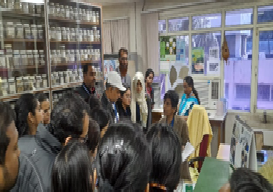
A visit to Raw Materials Herbarium & Museum, Delhi (RHMD) was conducted for demonstration of activities such as herbarium preparation and authentication of medicinal plant parts used. This was followed by a visit to the Institutes medicinal plants garden, Ayurvatika.
Project Code: SSY/2022/001105; GAP-0123
PI: Dr Charu Lata
Duration: 2022-2023
Objectives
A two day International Conference on Communication and Dissemination of Traditional Knowledge (CDTK 2023) was organized during 14-15 February 2023 to showcase the developments of its newly launched project SVASTIK (Scientifically Validated Societal Traditional Knowledge), a national initiative for the promotion and dissemination of traditional knowledge among the experts, academicians, students and general public, and also to strengthen the collaborations between individuals and organizations dedicated towards documentation, validation, communication and dissemination of traditional knowledge in India.
Outcomes/Results
The programme was inaugurated by the Chief Guest, Dr N Kalaiselvi, DG, CSIR & Secretary, DSIR, Guest of Honour, Shri Vaidya Rajesh Kotecha, Secretary, Ministry of Ayush, Govt. of India, Prof Ranjana Aggarwal, Director, CSIR-NIScPR, Dr G Mahesh, Chairperson and Dr Charu Lata, Organising Secretary of CDTK-2023. The Keynote Speaker was Prof. Subhash Kak, Oklahoma State University, USA through online mode who emphasized the use of Indian languages to communicate science and suggested that India should mainstream traditional medicine systems and the health systems running in the country.
The two day conference witnessed six scientific sessions and a special panel discussion by the Quality Council of India.
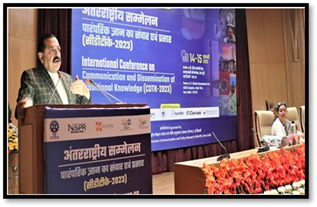
On the second day, Union Minister of State (Independent Charge) Science & Technology, Dr Jitendra Singh graced the occasion and released the Conference Abstract Book & Souvenir, Indian Journal of Traditional Knowledge Azadi Ka Amrit Mahotsav Issue, popular science book on SVASTIK disseminated stories ‘SVASTIK: Indian Traditional Knowledge Through the Lens of Science’, SVASTIK Brochure, and CSIR-NIScPR calendar 2023.
A special Exhibition pavilion was a major highlight of the Conference in which different CSIR labs namely, CSIR-CDRI, CSIR-CLRI, CSIR-IGIB, CSIR-IIP and CSIR-NIScPR participated. In addition, Central Council for Research in Ayurvedic Sciences (CCRAS), Quality Council of India (QCI), and international publishers ACS Publications and Clarivate also participated in this pavilion.
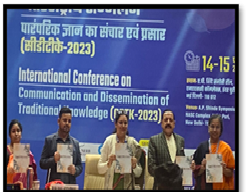
A total of 309 delegates attended the event with 302 national and 7 foreign delegates. The registration/participation for the conference was from 22 states, 3 UTs and 7 foreign countries.
Project Code: AV/KAR/2020/0128
PI: Dr Manish Mohan Gore
Duration: 2021-2022
Objectives
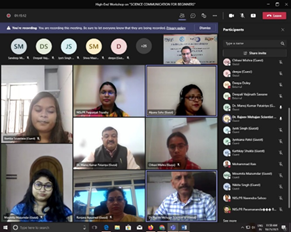
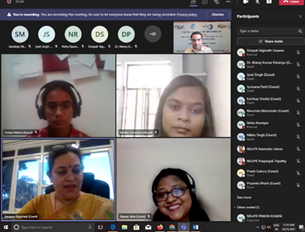
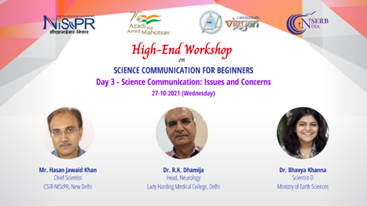
A high-end workshop on ‘Science communication for beginners’ was organized on 25-29 October 2021, funded by Science & Engineering Research Board (SERB), Govt. of India, under ‘Karyashala’ scheme of Accelerate Vigyan (AV). The objective was to introduce participants to various aspects of science communication and the significance of dissemination of scientific information in increasing the level of scientific awareness of the country's citizens and in the progress of the country. The workshop was aimed at Master students (2nd year) [Stream: Science/ Science communication/ Mass communication) and PhD students (1st year) in science from any Indian College and University.
Outcomes/Results
The total number of shortlisted participants was 25 (as per SERB guideline). They were provided with knowledge and learning by nine expert speakers. The workshop concentrated on concept, history and objectives of science communication; science and technology policies of India with respect to science communication; medium and format to communicate science; Role of IT in science communication; popular science writing, research communication and health communication, etc. The workshop also engaged the participants in hands-on training through assignments.
PI: Dr Madhulika Bhati
Duration: 2018-2022
Objectives
Publication and patent analysis of agriculture interventions in Asian countries
Outcomes/Results
Patent activities and focus areas in India have been captured and compared against other Asian countries.
PI: Dr Madhulika Bhati
Sponsoring agency: Central Pollution Control Board
Funding: 2.10 Lakhs
Duration: 2021-2022
Objectives
The objective of this project was to verify the annual inventory submitted by the CPCBs/PCCs based on annual returns submitted by hazardous waste generating & handling units including compliance to the provisions of HOWM Rules, 2016/Guidelines/Standard Operating Procedures issued by CPCB. The HOWM Rules, 2016, stipulate provisions for maintaining records and filing annual returns pertaining to hazardous waste generation and their management. As per Rule 20 of the HOWM Rules, 2016, the occupier handling hazardous waste and operator of the disposal facility are required to submit the annual return in the prescribed Form to the SPCB/PCC every financial year about hazardous wastes generation, storage, recycling, utilization, disposal, etc.
PI: Dr Madhulika Bhati
Sponsoring agency: CSIR
Funding: 27 Lakhs
Duration: 2022-continuing
Objectives
The project aims to map current state-of-art in Hydrogen technology and policy interventions.
Outcomes/Results
Policy document related to country-specific hydrogen economy policies as well as cataloguing of current projects worldwide has been done. Weekly digest has been conceptualised and 30 issues have been published so far.
RDSF Projects
Project Code: Project Code: CSPS24/RDSF/NIScPR/IHP240002
PI: Dr Shiv Narayan Nishad
Co-PI(s): Dr, Vipan Kumar & Dr Naresh Kumar
Duration: 2024-2025
Objectives
- Deeply understand the policy strategy undertaken by India to create a semiconductor ecosystem, which includes mission, tangible outcomes, new initiatives such as Product-Linked Incentive (PLI), Design Linked Incentives (DLI), Semiconductor Fabs, Display Fabs schemes, etc.
- Comparative analysis of India’s semiconductor sector to identify emerging challenges and opportunities with the leading semiconductor-producing countries such as Taiwan, South Korea, Japan, the United States and China.
- Identify successful strategies, policies, and initiatives implemented by these countries to foster growth in the semiconductor industry.
- Conduct a comprehensive SWOT analysis to enhance India’s capacity building and semiconductor ecosystem in India to achieve its semiconductor mission goals.
Outcomes/Results
- The report provided a comprehensive understanding of the evolution and growth trajectory of India’s semiconductor sector and its strategic importance in national technological and economic development.
- The study developed a detailed understanding of the policies, strategies, Acts, programmes, schemes, academic and skill development initiatives, institutional mechanisms, and international collaborations undertaken by India to strengthen the semiconductor ecosystem. It particularly examined recent initiatives such as the India Semiconductor Mission (ISM), Design Linked Incentive (DLI) Scheme, and Production Linked Incentive (PLI) Scheme.
- A comparative analysis of semiconductor policies, strategies, initiatives, and industrial ecosystems of major semiconductor-leading countries, including the USA, Taiwan, South Korea, Japan, and China, was carried out to identify global best practices, technological advancements, and policy gaps in India’s semiconductor ecosystem.
- The study identified successful policy models, financial incentives, infrastructure frameworks, innovation systems, research and development mechanisms, and supply chain strategies adopted by leading semiconductor-producing countries for strengthening semiconductor manufacturing and technological capabilities.
- A comprehensive SWOT analysis of India’s semiconductor ecosystem was conducted to evaluate the strengths, weaknesses, opportunities, and threats associated with achieving India’s semiconductor mission goals and learning from leading semiconductor countries.
MLP Projects
Project Code: NIScPR/MLP-0014/2022-23
PI: Dr Vipan Kumar
Duration: 2022-23
Objectives
This study aims to assess the technological readiness level (TRL) of 13 CSIR technologies under the themes ANB and E3OW and identify the gaps that need to be addressed for their commercialization or deployment. The proposed methodology includes a comprehensive review of TRL literature, identification of potential technologies, TRL assessment using the TRL framework, identification of technology development gaps, and recommendations for bridging those gaps. The research has the potential to contribute to the efficient use of resources, reduce the risk of failure, and generate economic and societal benefits.
Outcomes/Results
The data was collected from various sources, analyzed qualitatively, and presented descriptively. The findings show that financial constraints are one of the major challenges faced by CSIR scientists during technology development, as highlighted in the constraint analysis during the data collection and analysis. Addressing these constraints would require concerted efforts by CSIR leadership, policymakers, and other stakeholders to provide adequate funding, build necessary capacity and capabilities, and promote a culture of collaboration and innovation within the organization.
Project Code: NIS/MLP-0012/2022-23
PI: Dr Madhulika Bhati
Duration: 2022-23
Objectives
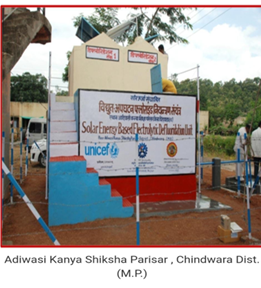
- Categorization of CSIR technologies based on contamination removal claims, size and capacity of water treatment systems and associated parameters.
- Screening of best available community based and point of use technologies.
- Implementation of best available technologies in villages in Delhi (NCR state and nearby states).
Outcomes/Results
CSIR water technogies have been mapped, benchmarked against the other Indian technologies as well as their socio economic impact analysis has been done.
Project Code: (NIScPR/MLP/0014/2022-23)
PI: Dr Vipan Kumar, Dr Sujit Bhattacharya, Dr Shiv Narayan Nishad
Co-PI(s): Dr Naresh Kumar, Dr Avinash Kshitij
Duration: 2022-2023 (Extended upto June 2023)
Objectives
To assess the Technological Readiness Level (TRL) of 13 CSIR technologies under the themes ANB and E3OW, and identify the gaps that need to be addressed for their commercialisation or deployment. The proposed methodology includes a comprehensive review of TRL literature, identification of potential technologies, TRL assessment using the TRL framework, identification of technology development gaps, and recommendations for bridging those gaps.
Outcomes/Results
The data was collected from various sources, analysed qualitatively, and presented descriptively. The findings show that financial constraints are one of the major challenges faced by CSIR scientists during technology development, as highlighted in the constraint analysis during the data collection and analysis. Addressing these constraints would require concerted efforts by CSIR leadership, policymakers, and other stakeholders to provide adequate funding, build necessary capacity and capabilities, and promote a culture of collaboration and innovation within the organisation.
In order to address some of the drawbacks of the prior methodology for determining Technological Readiness Level (TRL), CSIR-NIScPR has taken action. A more accurate assessment of a technology’s preparedness for commercialisation can be made by concentrating on TRL 6 and higher technologies, but the framework does not adequately account for the specifics of many industries. CSIR-NIScPR developed a more robust sectoral framework to address this constraint. This framework has been customised to meet the unique requirements and features of industries such as energy, agriculture, healthcare, and transportation. The sectoral framework offers a more sophisticated method of TRL assessment by taking into consideration the particular difficulties and opportunities faced by each area.
Project Code: NIScPR/MLP-0014/2022-25
PI: Dr Yogesh Suman
Co-PI(s): Dr Shiv Narayan Nishad, Dr, Vinayak, Ms Meetali Bharti
Duration: 2022-25
Objectives
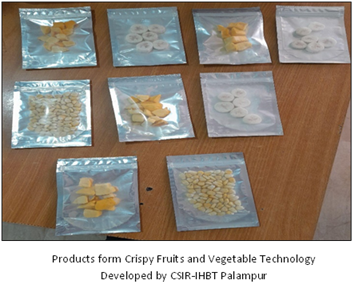
- To prepare a repository of CSIR technologies that are suitable for rural development and ready for deployment
- Mapping of CSIR technologies with respect to the actual needs of a specific geographical area and sector
-
To conduct training programmes on CSIR Technologies for:
- General Potential/possible users
- For females working in Self Help Groups (SHGs)
- To develop an action plan for the implementation of CSIR technologies suitable for rural development, in coordination with UBA
- To prepare an action plan for facilitating the dissemination of CSIR Mission Mode Projects in rural areas
Outcomes/Results
During 2023–2025, several events, workshops, and training programmes were organised, focusing on grassroots innovation, rural development, skill enhancement, and livelihood generation through CSIR technologies. Major activities included conclaves, technology showcasing events, CSR and capacity-building workshops, and hands-on training programmes on bamboo cultivation, incense stick making from flowers, value-added products, and Heeng cultivation. Key achievements included technology transfers and commercialisation initiatives, the establishment of a solar thermal drying facility, the initiation of Heeng cultivation in Kargil, and the signing of MoUs with industry and incubation partners. Linkages were also developed with organisations such as UBA, VIBHA, NABARD, CSIR laboratories, industry partners, incubation centres, NRLM, and academic institutions to strengthen technology dissemination and rural livelihood initiatives.
Project Code: MLP-0017
PI: Dr Charu Lata
Duration: 2023-25
Objectives
- Identification, evaluation and systematic documentation of India’s traditional knowledge with scientific basis;
- Mass dissemination of verified traditional knowledge in scheduled Indian and select foreign languages through digital and print media;
- Development of a web portal for SVASTIK; and
- Brainstorming meetings/Policy dialogues for strengthening and mainstreaming TK
Outcomes/Results
Under the #SVASTIK initiative, 29 validated Indian traditional knowledge (TK) practices across eight major domains were documented and disseminated through attractive infographics in English and further translated into 19 Indian and 5 foreign languages. A total of 85 short audio-visuals and 24 single-slide infographics were shared across social media platforms to enhance outreach and public engagement. Collaboration with MyGov continued through quizzes and activities on traditional knowledge, attracting participation from over 16,000 individuals across India. The initiative also resulted in the publication of 03 books, 02 reports, and 01 popular article, while its progress was reviewed through high-level monitoring and steering committee meetings. Additionally, one international conference, one national workshop, and several outreach programmes, seminars, and lectures were organised, with widespread coverage received through PIB, Vaigyanik Drishtikon, Science Reporter, and the Indian Journal of Traditional Knowledge.
Project Code: NIScPR/MLP-0016/2023-26
PI: Dr Manish Mohan Gore
Duration: 2023-26
Objectives
CSIR-NIScPR established the Science Media Communication Cell (SMCC) on 11 September 2023 with the key objective to augment the popular science communication by disseminating R&D breakthroughs and outcomes from Indian scientific institutions and laboratories through different media platforms such as audio-visual, digital, social media, print and public engagement. Under this initiative, the MLP-0016 project was initiated in NIScPR from the financial year 2023-24 for a period of three years (till financial year 2025-26) under the grant support and monitoring of CSIR HQ. The objective of this project is to prominently share the scientific programmes and achievements of CSIR laboratories and the country on social media.
Outcomes/Results
- Coordinated media publicity for 55+ national S&T events, including National Science Day, Chandrayaan-3 Landing, IISF, OWOT, and Global BioIndia, with 27+ TV stories telecast on Doordarshan.
- Conducted a CSIR-wide micro-video campaign in September 2025 showcasing achievements, technologies, and success stories of all CSIR labs.
- Developed 27 success stories of Indian laboratories published in Employment News, leading to increased industry outreach and technology orders for CSIR labs.
- Published 80+ popular science articles in leading national and regional science magazines and newspapers.
- Introduced IISF 2023 special language bulletins in 8 Indian languages to expand outreach beyond Hindi and English.
- Designed around 25 innovative 3-D selfie points highlighting achievements and R&D success stories of CSIR labs and S&T departments.
- Conducted exclusive interviews of key S&T leaders, including Ministers, Secretaries, DG-CSIR, and Directors of national laboratories.
- Executed successful social media campaigns such as #OneWeekOneTheme in coordination with all 37 CSIR labs.
- Collaborated with Doordarshan, All India Radio, Sansad TV, and community radio channels for the dissemination of science-based audio-visual content.
- Increased NIScPR’s X (Twitter) followers organically from 12.7K to 17.9K between 2023 and 2025.
- Enhanced social media public engagement organically from 6.5 lakh to 45 lakh reach within two years.
OLP Projects
Project Code: NIScPR/OLP/0065/2024
PI: Dr Sandhiya Lakshmanan
Co-PI: Dr Naresh Kumar and Dr Vipan Kumar
Duration: 2024-2025
Objectives
- To quantify the GHG emissions (Carbon dioxide, Methane), Non-GHGs/ Air pollutants emission (Nitrogen Oxides, Carbon Monoxide, Particulate Matter, Ground level Ozone, Sulphur dioxide, Ammonia), and emission from the sources, including waste burning emissions, Agricultural burning, Transportation (roadway), and Construction and Demolition in Delhi.
- To analyse the historical progress of emission reduction efforts in India and identify future trends in greenhouse gases and air pollutants.
- To identify potential areas for improvement and propose targeted measures to reduce emissions and improve air quality.
Outcomes/Results
Open burning of waste without air pollution control equipment results in the release of several harmful pollutants. Delhi, with its rapidly expanding urban centre, faces persistent challenges in solid waste management. The present study aims to quantify the emissions of pollutants from open waste burning in Delhi between 2011 to 2023, focusing on the three main landfills, such as Okhla, Bhalswa, and Ghazipur, as well as nine districts of Delhi. The results revealed that CO and PM emissions dominated the emission profile over the years, while SO₂ and NOₓ are emitted in smaller but gradually increasing amounts. Central Delhi and New Delhi reported consistently lower emission levels due to strong waste management practices, whereas the other districts, which are peripheral and densely populated, exhibited higher emission levels, reflecting inadequate infrastructure and widespread open burning. The same trend is observed with respect to persistent organic pollutant emissions, and their atmospheric fate is studied with respect to their oxidation with the OH radical. Analysis of the wind and pollutant rose plots indicates that the eastern and southeast regions of Delhi disproportionately bear the burden of pollutant transportation. These findings suggest that policy interventions must be district-specific, taking into account each region's distinct demographic, geographic, and infrastructure factors.
Project Code: NIScPR/OLP/0065/2024
PI: Dr Sandhiya Lakshmanan
Duration: 2023-2024
Objectives
- Simulations of HFOs/HFCs using molecular-based approaches and characterisation of the thermodynamic properties of the designed HFOs in different working fluids.
- Determining the Ozone Depletion Potential (ODP), radiative forcing (RF) and global warming potential (GWP) of designed HFOs/HFCs and predicting the lowest feasible pathways leading to products through atmospheric processes. Analysing the toxicity potential of the final products resulting from atmospheric processes and assessing their impact on air quality and the environment.
- Proposing a robust framework for assessing the feasibility of the newly designed HFOs/HFCs, which connects the molecular features of the HFOs/HFCs with their performance.
Outcomes/Results
This work provides an in-depth analysis of the environmental impacts of natural and fourth-generation synthetic refrigerants, aiming to support the development of a sustainable cooling action plan for India using low-GWP refrigerant blends. A blend of propane and R-1234yf was selected to achieve a trade-off between their respective atmospheric impacts and to assess its suitability for use in refrigeration systems. In India, space cooling, especially in residential buildings, is a major contributor to cooling demand, with split Air Conditioners (ACs) up to 7 kW being commonly used. Currently, R-32 is the dominant refrigerant in this sector. The study reveals that a 90:10 blend of propane and R-1234yf offers a viable replacement for R-32 in such applications. Blending propane with R-1234yf significantly reduces the GWP of the mixture, bringing it in line with that of R-1234yf alone. Environmental and economic analyses indicate that the total environmental impact of the propane + R-1234yf blend is substantially lower than that of R-32 and R-1234yf when used individually. Under Indian conditions, the blend emits approximately 5.1 tCO₂ equivalent per year, about 22 times less than R-32. Furthermore, both capital and environmental costs associated with the blend are significantly lower compared to R-32. The higher cost of R-1234yf can be offset through blending with propane, as reflected in the economic assessment. In conclusion, the natural refrigerant propane and the fourth-generation synthetic refrigerant R-1234yf, when blended, offer a promising alternative to conventional refrigerants currently used in India's split AC market, particularly from an environmental feasibility perspective.
Project Code: NIScPR/OLP/0065/2024
PI: Dr Sandhiya Lakshmanan
Co-PI: Dr Naresh Kumar and Dr Vipan Kumar
Duration: 2023-2024
Objectives
- Mapping of the sources, drivers and secondary processes involved in non-exhaust emissions.
- Developing a methodology for estimation of non-exhaust emissions from road traffic by taking into account the vehicle speed, distance travelled, road condition, driving condition and meteorological factors.
- Identifying the existing policies and technology solutions for mitigation of non-exhaust emissions and developing a policy framework based on objectives (i) and (ii).
Outcomes/Results
The major results of the study obtained reveal that the maximum emitted pollutants from non-exhaust emissions are VOC, followed by PM10 and PM2.5. And the exhaust emission of VOC is higher than the non-exhaust NMVOC, except in the states Chhattisgarh, Gujarat, Tamil Nadu, because some of the states have an LDV and HDV population that is fluctuating, which influences the trend. The non-exhaust emission is higher than the exhaust emission in the case of PM10 and PM2.5. While the rest of the study, such as a comparative study with the other countries with similar meteorological conditions like wind speed and wind dust and the scenarios for BAU and policy interventions, will be developed. The proposed work thus estimated the non-exhaust emissions, such as PM2.5 and VOC, which are completely overlooked in traffic emissions. This will sensitise the public to the significance of non-exhaust emissions in addition to vehicle exhaust emissions. Possible solutions to the minimisation of non-exhaust emissions through technologies as well as policies will be provided in due course. The work has identified the different sources of non-exhaust emissions and their drivers.
Project Code: (NIScPR/OLP/0052/2023-24)
PI: Dr Shiv Narayan Nishad
Co-PI: Dr Naresh Kumar
Duration: 2023-2024
Objectives
- Identification of agricultural crops produced in the state at the district level for the period 2000-2020.
- Estimate the water footprint of agriculture and the domestic sector within the region of interest, with the source of water utilisation.
- Water Footprint Assessment and Water Footprint Response formulation for policy and decision making for efficient water resource management, and for the sustainability of water.
Outcomes/Results
The study provided a comprehensive analysis of agricultural patterns, rainfall variability, water resources, and water footprint sustainability at the district level across the state. It examined the spatial and temporal trends of major crops, including cereals, pulses, oilseeds, sugarcane, and vegetables, and identified dominant agricultural regions based on cropping intensity and production patterns. The study also assessed rainfall variability, seasonal distribution, drought-prone regions, and water stress conditions, along with surface and groundwater resource availability and irrigation dependency. A detailed assessment of blue water and green water footprints was conducted to evaluate crop-wise and district-wise agricultural water consumption and resource-use efficiency. Furthermore, the study developed a Water Sustainability Index (WSI) to assess the sustainability status and temporal trends of water utilisation from 2000 to 2020. The findings identified hotspot regions facing unsustainable water use and supported evidence-based policy formulation for efficient water resource management and sustainable agricultural development.
Project Code: NIScPR/OLP/0067
PI: Dr Shiv Narayan Nishad
Co-PI: Dr Vipan Kumar & Dr Sujit Bhattacharya
Duration: 2024-25
Objectives
- Designing the framework for the assessment of TRL for science and technology for select research areas.
- Develop detailed TRA Guidelines: Establish a set of comprehensive guidelines that outline the process and criteria for assessing the readiness of emerging technologies.
- Create Standard Operating Procedures (SOPs): Develop step-by-step procedures to be followed during the TRA process, ensuring consistency and reliability across assessments.
- Forming a network of domain experts from various fields of R&D institutions/Academia/industries for improvement of the facility as well as framework.
Outcomes/Results
The output of the study is the development of sectoral frameworks for the following sectors:
-
Development of a sectoral framework for TRL Assessment of technologies of 10 sectors
- Generic Framework
- Food Processing Technologies
- Medical Devices
- Drugs and Pharmaceuticals
- Agriculture Tools and Machinery
- Crop Variety
- Plat protection technologies
- Water Technologies
- Desalination water technologies
- Wastewater treatment technologies
- Sector Specific Guidelines for Technology Readiness Level Assessment
- Standard Operating Procedure (SOPs) Developed for TRL Assessment
- Sectoral Guidelines for Supporting Documents and exit criteria for each TRL scale
- Guidelines for Filling the Questionnaire and Supporting Documents for a Technology Developer
- Guidelines for TRL Assessment Report Preparation, submission, and documentation
Project Code: NIScPR/OLP/0064/2024
PI: Dr Shiv Narayan Nishad
Co-PI: Dr Naresh Kumar
Duration: 2024-25
Objectives
- Assess the current water usage patterns in cereal production across different regions of Uttar Pradesh.
- Identification of the crops with high water footprints for critical assessment of sustainability.
- Identification of Hotspot (areas) and time scale of sustainability for providing insights into critical environmental impact areas, improvement, and optimisation of water use.
- Water footprint sustainability assessment and water footprint response formulation for policy and decision-making for efficient water resources management for the sustainability of water use.
Outcomes/Results
The output of the study is the development of sectoral frameworks for the following sectors:
- Comprehensive understanding of the cropping pattern of the major cereal crops produced in each district of the state of Uttar Pradesh
- Comprehensive understanding of water resource availability, rainfall patterns, overextraction, and dependency on water resources
- Comprehensive understanding of water use patterns: the study provides a detailed assessment of regional variations in water usage patterns associated with cereal crop production across different districts of the state to identify the areas with excessive water consumption and regions facing water stress.
- Identification of High Water Footprint Crops: the study identified that wheat and rice are major water-consuming crops. Analysis provides the critical evaluation of their sustainability and resource use efficiency.
- Identification of water stress hotspots: the study highlights that about 40 districts of the state are under the extremely high stress category, and projected all the districts will fall under this category in the doubling production of cereals scenario.
- Assessment of Sustainability in Agricultural Water Use: the study evaluated the sustainability of current agricultural water consumption practices using water footprint assessment, and also evaluated different production scenarios like increase in 50%, 100%, 150% and 200% production. The time scale for the loss of water sustainability of each crop at the district level is also evaluated.
Project Code: NIScPR/OLP/0060
PI: Dr Avinash Kshitij
Co-PI: Dr Naresh Kumar
Duration: 2024-2025
Objectives
To explore the untapped potential of blue energy and its relevance within the broader landscape of global and national clean energy transitions.
Outcomes/Results
Key findings indicate that while traditional renewable sources such as solar, wind, and bioenergy continue to dominate global energy investments due to their maturity and market readiness, they are accompanied by limitations, including intermittency, land use conflicts, and grid integration complexities. In this context, blue energy emerges as a promising complementary solution, especially in geographies with extensive coastal and marine resources.
The foresight component of the project underscored the importance of preparing for multiple technological futures. Through scenario building and expert consultations, the study identified critical uncertainties and strategic opportunities that could shape the trajectory of blue energy development over the next two decades. Factors such as advancements in material sciences, marine engineering innovations, climate adaptation imperatives, and the increasing role of ocean-based economies will play a significant role in determining the pace and direction of adoption.
Project Code: NIScPR/OLP/0047
PI: Dr Madhulika Bhati
Co-PI: Dr Sandhiya Lakshmanan
Duration: 2023-24
Objectives
- To undertake a systematic review by identifying the most recent (post-2005) global literature.
- Preparation of the inventory of tree species comprises comprehensive indicators, indices, and values to harness their potential for air pollution mitigation.
- Screening and ordering of the tree species based on all environmental indices.
Outcomes/Results
This study is the first of its kind in terms of the scrutiny of different pollution stress-related indices of different tree species in coherence with various states/cities of India, along with foreign cities. This study report is unique as a list of 189 tree species has been compiled after deeply studying various journals and research papers, which is a bulky dataset in itself. It functions as a thorough reference that recognises and handles the subtleties brought about by the various approaches used throughout the corpus of work. Based on this data, we recommend that additional research studies be conducted, which align with the pollution status of the city, which may be essential to comprehending and reducing pollution in these areas.
Project Team: Prof. Ranjana Aggarwal, Dr Yogesh Suman, Dr Shiv Narayan Nishad and Ms Shadiya Jahan from CSIR-NIScPR and Dr Nishy P, Dr Partha Kundu from CSIR-NIIST
Objectives
- To understand the Up-gradation Requirement of BFBR Technology
- To assess the Market Expansion Potential of BFBR Technology
Outcomes/Results
Conclusions and policy recommendations for the future expansion plan of Buoyant Filter Bioreactor Technology:
- Scope for Market Expansion: A huge market for this technology still exists across India in terms of rice mills, ice cream industry and coconut industry that can be tapped where lots of wastewater needs to be treated. The other sectors where the need for wastewater treatment services has grown include food and beverage, chemicals, pharmaceuticals, refineries, and textiles industries. These sectors need advanced treatment technological systems, such as reverse osmosis membranes, for treating their wastewater.
- Scope for Technology Up-gradation: based on the discussion with the industry, it emerged that there is a need for up-gradation in technology, like the inclusion of an automated device for measuring the biogas (methane) quantity produced by the reactor and an automatic reading method for PH and detection of other chemicals in the effluent before reaching the criticality level. Currently, one person is required to check these parameters. Siphon technology can be integrated with this existing technology for cleaning purposes.
- Policy Suggestions: the study has provided many useful and positive insights about the Technology up-gradation and commercialisation of Buoyant Filter Bioreactor technology developed by CSIR. These include reducing the cost of initial investment (which is about 1 crore at present) while installing the plant; directive from CPCB/SPCB/Municipal Corporation making mandatory the use of this technology in common effluent treatment Plants; and providing subsidy or tax exemption for industries that are using this technology. Mandatory periodical meetings are also recommended between CSIR’s scientists and the manufacturer and user of the technology to discuss the possible strategies for ensuring market sustenance of the technology.
Project Code: NIScPR/OLP/0038/2024
PI: Dr Paramananda Barman
Duration: 2023-2024
Objectives
- Content creation and publishing an online quarterly magazine in Assamese.
- Human resource training and outreach programme in science communication (in Assamese). The target group is budding science communicators and students.
- Documentation and dissemination of the rich traditional knowledge of Assam (NE India).
- Brainstorming session with experts and collection of feedback from stakeholders for drafting recommendations to strengthen science communication and outreach strategies in Assamese.
Outcomes/Results
Activities focused on strengthening science communication in Assamese through training, outreach, and documentation of traditional knowledge. A virtual workshop on “Interactive and New Approaches to Communicate Science in Assamese” brought together science communicators, teachers, researchers, and students, and included sessions on popular science writing, science filmmaking, podcasts, and the use of social media for effective science communication. An online quarterly magazine, Bigyan Lahar, was initiated.
Traditional knowledge from Assam and other Northeast Indian states was also documented and disseminated in collaboration with the SVASTIK initiative of CSIR-NIScPR. Nine topics were identified, of which six were documented and shared through social media platforms, highlighting culturally significant subjects such as Chakhao rice, sacred groves, Ariju traditional learning system, Kaji Nemu, and Muga silk.
A brainstorming session with leading Assamese science communicators further generated recommendations for strengthening science communication in regional languages.
Project Code: NIScPR/OLP/0066/2024
PI: Dr Paramananda Barman
Duration: 2024-2025
Objectives
- Research and documentation on the use of Folk media for science communication in India, and particularly in NE India
- Drafting recommendations for effective use of folk media for science communication.
- Publishing an online quarterly magazine in Assamese.
- Human resource training in science communication. The target group is budding science communicators and students.
Outcomes/Results
Several activities were conducted to strengthen science communication through folk media, capacity building, and research. Workshops on popular science writing and Interactive and new approaches to communicate science (2 December 2024) provided training to participants on effective science communication methods. In addition, a brainstorming session titled “Breaking the Barriers in Science Communication Using Folk Media” was organised to explore strategies for integrating traditional art forms into science outreach. Articles in Assamese were compiled for the magazine.
Research and documentation on the use of folk media in science communication highlighted its effectiveness in raising awareness on issues such as health, agriculture, biodiversity, and social development. Various forms such as puppetry, folk songs, street plays, theatre, and folk painting were found to make scientific information more relatable and engaging for communities. An impact assessment study involving 50 participants from diverse rural and urban backgrounds was conducted using pre- and post-program questionnaires to evaluate changes in knowledge, perceptions, curiosity, and attitudes toward science. The results showed that a majority of participants considered folk media an effective and engaging way to communicate scientific information and expressed interest in participating in similar programs in the future. The brainstorming discussions generated several recommendations.
Project Code: NIScPR/OLP/0040
PI: Principal Investigator (PI): Dr Paramananda Barman
Co-PI(s): Dr Charu Lata
Duration: 2023-2024
Objectives
- Assessing digital health literacy and how the public uses online health information sources through a survey.
- Assessing health-related misinformation present in social media and identifying the categories of misinformation and the factors and channels involved in the spread of misinformation through a survey.
- Lecture on health-related misinformation on social media.
- Brainstorming session and drafting recommendations for the use of digital platforms for health communication by the public.
Outcomes/Results
The literature review identified multiple factors contributing to the spread of health misinformation, including demographic characteristics such as age, gender, and education, along with psychosociocultural influences like trust in authorities and scientists, pre-existing beliefs, emotions, cognitive abilities, and peer support. It also examined communicative pathways such as the echo chamber effect, theory of planned behaviour, social normative theory, and media richness theory.
Survey findings revealed that participants recognised the usefulness of social media for health information but lacked sufficient knowledge and confidence in accessing reliable information. Although they were aware of the prevalence of misinformation—particularly on YouTube and Facebook—many failed to verify information before sharing it with others.
A lecture titled “Understanding Health Communication and its Role in Disease Management” by Dr Rajni Kant was organised, focusing on health communication, social media use, misinformation, digital literacy, and media training, followed by a brainstorming session on the use of social media in health communication.
PI: Dr Meher Wan
Project Duration: OLP
Duration: 8 months: Aug 2023 to March 2025
Objectives
- To understand the progress in the research field, a thorough literature survey is to be done with the help of scientometric methodology. Literature survey may also include other ion battery options, if any.
- A survey and analysis of the current policy on Sodium Ion Batteries around the globe.
- Framing a methodology for adopting a global standardisation for Sodium Ion Batteries.
Outcomes/Results
A comprehensive literature review has been conducted, which provided valuable insights into the current state of SIB technology and has been disseminated through a published review paper.
A scientometric analysis identified India’s significant contributions to the field, particularly by institutions like IISc, IITs, and CSIR labs, and highlighted their international collaborations with countries such as South Korea, Japan, and Germany. This study revealed the growing impact of Indian researchers, with key focus areas including advanced materials like graphene, biomass-derived carbons, and hybrid energy systems, alongside government-driven initiatives supporting research and development.
The policy analysis component of the project has also been done, culminating in a review article focusing on the Policy-Driven Strategies for Advancing Sodium-Ion Battery Adoption in India. This work highlights critical strategies for accelerating SIB adoption. The analysis also emphasises the importance of international collaborations, recycling frameworks, and safety standards to ensure environmental sustainability. Furthermore, it provides a comparative analysis of SIBs and lithium-ion batteries (LIBs), showcasing SIBs as a cost-effective and scalable alternative for energy storage in applications such as rural electrification, renewable energy grids, and low-speed electric vehicles.
Project Code: NIScPR/OLP/0042; FY: 2023-24
PI: Dr Manish Mohan Gore
Outcomes/Results
In this project, the two popular science books of CSIR-NIScPR were translated into the regional languages of India. The book titled “A Matter of Chance” has been translated into Manipuri, and the second book titled “Be Weatherwise” into Assamese. Vernacular Voices: Status of Science Communication in Indian Languages book is a compilation of ten chapters on the status of science communication in ten Indian languages (scheduled in Article VIII of the Indian constitution), along with an English translation of these chapters.
Policy Recommendations from the Project
- The popular science magazine in the regional languages of India (both print and digital versions) should be brought out. Because of the language barrier in India, Non-English speakers (both scientists and citizens) face difficulties in gaining knowledge of science and technology.
- Science communication activities can be initiated in the regional languages, which would help enlighten all sections of society, particularly the deprived ones.
- A single digital platform can be conceptualised and developed where science communication-related knowledge products in all 22 Indian languages should be available.
- Translation of the available literature on science communication in regional languages must be increased by many like-minded organisations.
Project No.: OLP000059
PI: Dr Manish Mohan Gore
Co-PIs: Dr Pramila Majumdar and Dr NK Prasanna
Project Duration: 2024-25
Outcomes/Results
Three booklets on critical S&T topics — “Deep Ocean Mission,” “CSIR Aroma Mission,” and “Emerging Drone Technology in India,” were created in English and translated into Hindi, Bengali, and Marathi. Additionally, two existing CSIR-NIScPR books, “Animal Journeys” and “Achievements in Anonymity,” were translated into Hindi to increase accessibility. A compendium from a workshop held on 14 February 2025, was also published for future science communicators and policymakers. In total, fifteen publications were produced within a year.
The project assessed the current state of science communication, identified challenges, and developed strategies to improve accessibility through expert consultations, workshops, public surveys, and content development. It explored the use of digital tools, social media, and AI to enhance science communication and counter misinformation.
A significant workshop engaged stakeholders, discussing the role of regional languages, misinformation, AI usage, and policy recommendations. Key policy recommendations included developing standardised scientific terminology across India’s 22 scheduled languages and creating open-access science portals with content in multiple languages. Additionally, it proposed establishing regional science communication hubs in universities for training and capacity building.
Project Code: NIScPR/OLP/00039/2023
PI: Dr Charu Lata
Duration: 2023-2024
Objectives
- Identification and documentation of Indian traditional knowledge and practices with a scientific basis,
- Dissemination of verified information on identified TK in English and various Scheduled Indian languages through social media,
- Development of a framework for scientific validation of TK,
- Development of a dedicated web portal for SVASTIK,
- Publication of a popular science book on disseminated TK stories, and
- Outreach programme on dissemination of India’s scientifically validated TK (SVASTIK): creating awareness among school children, teachers, and other stakeholders.
Outcomes/Results
- 14 scientifically validated traditional knowledge of India were identified, validated, documented, and disseminated through SVASTIK.
- 37 infographics, 37 reels, and 41 videos on India’s verified TK were disseminated under the project.
- A brainstorming meeting was conducted with the experts working on traditional knowledge in water, ecology and environment.
- A framework for scientific validation of traditional knowledge has been drafted, and a checklist prepared.
- 02 NIScPR SVASTIK Lectures and 02 exhibitions conducted
- 02 workshops for children and college students were conducted.
- An activity on traditional millet recipes conducted in partnership with MyGov.
Project Code: NIScPR/OLP/0044/2023.
PI: Dr Suman Ray
Co-PI(s): Dr Manish Mohan Gore
Objectives
- Assessment of value-added products available in the market, providing essential nutrients for sound human health.
- Profiling of millet-based industries providing value-added products and market share.
- Profiling millet-based products developed by R&D organisations in India but not yet commercialised.
- Identification of existing policy gaps and policy options for promoting the consumption of millet-based products for populations at large.
Outcomes/Results
- Consumer’s perspective: Feedback survey underscores the need for targeted marketing strategies to bridge the age and gender gaps and promote millet consumption among a wider demographic.
- Student’s perspective: findings based on feedback survey indicated that the majority of school students, around 52.89%, consumed millets either daily or 2-3 times a week, highlighting a significant preference for millet consumption.
- Farmer’s perspective: The primary survey findings highlight diverse motivations among millet farmers, focusing on self-consumption, using millets as livestock fodder, and selling to local vendors. Challenges include economic viability, lack of subsidies, limited market opportunities, and consumer preferences for other grains. Targeted support, awareness programs, and market interventions are crucial for fostering sustainable millet cultivation in India.
- Industry’s perspective: The data reveals significant challenges hindering the expansion of millet businesses, including financial constraints, limited market demand, access to processing facilities, skills gaps, regulatory hurdles, and other barriers. Addressing these hurdles is vital for fostering growth and sustainability in the millet industry, emphasising the need for strategic interventions and support mechanisms to enable businesses to overcome these obstacles effectively.
Key initiatives were organised on enhancing nutritional security and sustainable health through millets in India, including an expert review meeting held at CSIR-NIScPR on 3 August 2023 and a brainstorming meeting on 5 March 2024, later published in Current Science (Vol. 126, No. 8, pp. 874–875). Two policy bulletins published in June 2024.
Project Code: NIScPR/OLP/0043/2023.
PI: Dr Suman Ray
Co-PI(s): Dr Vinayak
Objectives
- Utilisation pattern and cost-analysis of Ashwagandha and its formulations in management of Alzheimer’s disease /dementia in an Indian scenario.
- Perception of stakeholders on the utilisation pattern of Ashwagandha and its formulations.
- Analysis for the identification of barriers/challenges: correlation with socio-economic factors, stakeholders/psychiatrists’ profiles and their perception.
- Exploring the Policy aspects of AD/dementia management in the Indian scenario
Outcomes/Results
-
Perception of stakeholders: Knowledge, Attitude, and Practices (KAP) analysis with Ayurvedic doctors:
- Ashwagandha should be used on prescription from registered practitioners.
- There are gaps in knowledge among respondents, particularly regarding Ashwagandha's bioactive components and its specific mechanisms of action in the brain.
- There is a need for evidence-based information and further clinical studies to validate Ashwagandha's efficacy and safety for usage in the contemporary healthcare system.
- There is a need for consumer awareness on safe usage and appropriate medical consultation for accurate prescriptions, which is highlighted.
-
Cost-Effective Analysis of Ashwagandha Formulations
- The analysis of cost ratios and percentage cost variations revealed significant pricing disparities among the Ashwagandha formulations.
- The substantial difference between the minimum and maximum prices of the formulations can be attributed to branding, production complexities, or market-specific demand dynamics.
- It is critical to address the accessibility and affordability of these formulations in order to promote integrative healthcare practices.
- Additional exploration into the specific factors contributing to the observed price discrepancies could improve transparency and aid in decision-making regarding the utilisation of Ashwagandha formulations.
Two brainstorming meetings were organised at CSIR-NIScPR on 28 July 2023 and 13 February 2024. The discussions focused on policy perspectives, with the meeting report later published in the April issue of the Indian Journal of Traditional Knowledge.
Project Code: NIScPR/OLP/0001/2021
PI: Dr Y Madhavi
Duration: 2021-2022
Objectives
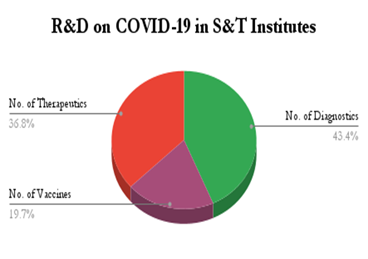
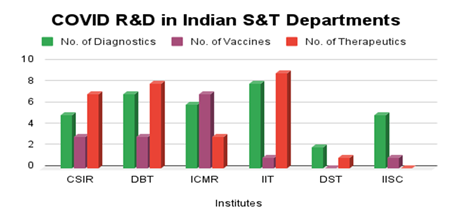
- To map research progress, identify key R&D achievements and technologies commercialized in combating COVID-19 pandemic with its central focus on diagnostics, vaccines and therapeutics.
- To map linkages between the public and private sector and to draw the triad of university-industry-government linkages with respect to R&D in Covid-19.
- To provide policy inputs to accelerate/strategize commercialization of technologies not only to manage current pandemic but also to prepare better for any unforeseen future health emergencies/epidemics/pandemics.
Outcomes/Results
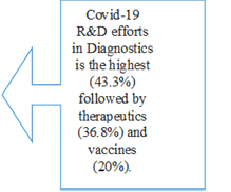
The autonomous institutes under CSIR, ICMR, DST, DBT, IIT’s and others carried out extensive R&D at rapid speed by pooling resources, through capacity building, and vigorous linkages and networks between academia and industry. In total around 41 R&D institutes were involved in Covid-19 R&D on diagnostics, vaccines and therapeutics in India.
Project Code: NIScPR/OLP/0002/2021
PI: Dr Y Madhavi
Duration: 2021-2022
Objectives
- To understand the role of public, private sectors and Public Private Partnerships to achieve self-reliance in Covid-19 vaccine through affordable domestic manufacture.
- Challenges & opportunities in developing and scaling up manufacture to meet demand-supply gaps in Covid-19 vaccines in India.
- Lessons learnt and policy suggestions to achieve self-reliance for future health emergencies.
Outcomes/Results
The findings show that both the public and private sector vaccine companies were actively engaged in Vaccine Innovation in India. Public Private Partnerships (PPP) through the Government of India (GOI)’s extensive support played a significant role in achieving self-reliance in vaccines.
Linkage mapping analysis of various Covid vaccine manufacturers in India shows that R&D linkages were few whereas manufacturing linkages were predominant. There were also predominant linkages with sub-contracting manufacturers.
Within a year since the Covid-19 pandemic, India could manufacture two Covid-19 vaccines indigenously with consistent support (financial and institutional) from GOI. Fund access through BIRAC, Covid Suraksha, PM care funds, CEPI facilitated self-reliance in Covid-19 vaccines.
Project Code: NIScPR/OLP/0003/2021
PI: Mr Hasan Jawaid Khan
Duration: 2021-2022
Objectives
The objectives of the project were to develop interest in S&T among various stakeholders of the society; to bring forth views of students on specific issues through webinar; to create scientific awareness among the target audience through seminar; to disseminate scientific knowledge among children through various competitions and student webinar.
Outcomes/Results
As part of the project, three distinct and interactive activities were organized.
- National Blog Writing Competition 2022: Blogs have emerged as major purveyors of information and are an innovative genre of communication providing scientific news, views, analyses and even experiences in a creative, interactive and appealing manner. A blog-writing competition was organized on the theme “S&T Roadmap for Building a New India” for which many entries were received. After a screening and assessment process, winners of the competition were announced.
- Webinar: In recent years, the learning process in the classroom has been witnessing a paradigm shift with digitization of educational resources and emergence of virtual platforms. A webinar was organized on the theme “Science Teaching Methodologies in the 21st Century – A Students’ Perspective” where 12 young students selected from different schools across the country, presented their views. Prof. Ashok Bakhshi, former Vice Chancellor and a well-known educationist, delivered the concluding remarks and interacted with the students.
- National Seminar (Hybrid Mode): Several agencies fund and promote science communication projects and many organisations and individuals implement/carry-out science communication projects among various stakeholders. While there is a need to inform people interested in science communication about funding opportunities for science communication projects, there is also a need to showcase some of the innovative science communication and engagement projects being implemented across the country. A one-day National Seminar was organized on the theme “Nurturing Science Communication – Motivating Science Communicators”. Representatives from several organisations such as National Council for Science & Technology Communication (NCSTC), DST; Science and Engineering Research Board (SERB); Department of Biotechnology (DBT); National Book Trust (NBT); Indian National Science Academy (INSA); Eklavya; National Academy of Sciences India; Vigyan Prasar, etc. participated. Selected science communication initiatives were also showcased during the seminar.
Project Code: NIScPR/OLP/0005/2021
PI: Dr Sandhiya Lakshmanan
Duration: 2021-2022
Objectives
In an effort to reduce the impact of vehicular emissions on air quality, India has set Bharat Stage (BS) emission standards since 2000 and the country has now shifted to BS-VI norms from April, 2020 onwards. These emission standards and the associated aftertreatment technologies have helped to reduce the emissions of CO, OC, BC, SO2 and particulates over time. In the present work, the impact of different stages of BS emission standards in controlling the pollutant emissions is analyzed. With the stringent emission norms throughout the years, the CO, NMVOC, OC and BC emissions have reduced by 7%, 9.7%, 20% and 5% respectively in 2021, when compared to 2017. The NOx emission levels have increased by 4.9% in 2021 with reference to 2017.
Outcomes/Results
The findings indicate that though the advanced emission control measures effectively reduce the emissions, it comes out with the penalty of emitting new pollutant species and increase in NOx levels leading to ozone pollution and even SO2 emissions. Thus it calls for the integration of different emission control technologies in a balanced way to have a significant impact on reducing exhaust emissions, which is not reflected in the current policy scenarios.
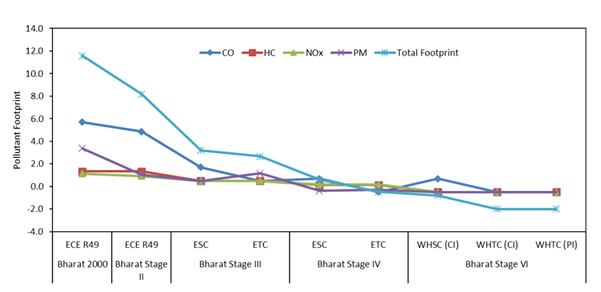
Figure 1. Pollutant footprints for pollutants calculated for different tests and stages of BS Standards
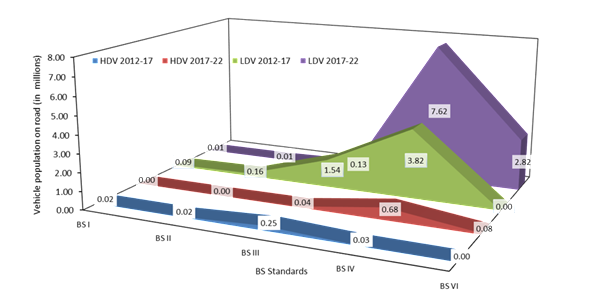
Figure 2. Vehicle population in use calculated from the survival fraction
Project Code: NIScPR/OLP/0008/2021
PI: Dr Manish Mohan Gore
Duration: 2021-2022
Objectives
India is endowed with a rich legacy of traditional knowledge (TK) across diverse domains. Most of our traditional practices are inevitably related to human needs and nature. However, currently our traditional knowledge systems are eroding rapidly. Further, such knowledge is often unreachable to the public and seldom understood. The lack of effective communication to society on our S&T achievements including information related to the validity of our TK has been a major gap. This project therefore aimed to communicate India’s scientifically validated TK to the society using digital communication tools.
Outcomes/Results
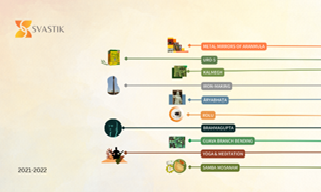
Ten priority TK areas were identified in which communication could be initiated. A brand name #SVASTIK (Scientifically Validated Societal Traditional Knowledge) was envisaged and social media channels namely Twitter, Facebook, Instagram, and LinkedIn were created. Crowd sourcing and literature survey was done to identify scientifically validated TK from various academic and research organizations/NGOs/individual experts across the country.
A total of 10 TK/practices with scientific basis were identified and documented in a uniform format, and communicated in 16 different languages including English, Hindi, and other regional languages through social media using simplified and attractive infographics, audio-visuals, popular lectures, and webinar. A partnership with MyGov was fostered to reach a wider and diverse audience. Seven brainstorming meetings were conducted with eminent experts to have a better understanding of the gaps, and challenges in identification, validation and communication of TK in various domains. Based on these meetings, a policy brief was developed.
Project Code: NIScPR/OLP/0010/2021
PI: Dr Monika Jaggi
Duration: 2021-2022
Objectives
- To understand SD strategies, actions, plans, and practices at sub-national and national levels being followed in selected Asian countries.
- To explore best-practices and SD coordination mechanisms and activities being followed in the selected Asian countries.
Outcomes/Results
The project was designed to rapidly capture data in a short period and provide an idea about the existing Science Diplomacy strategies and activities in the neighbouring countries. A region-wide survey was conducted in Jan-Feb 2022 as a part of this project. The survey comprised 25 questions designed to gain valuable insights from the selected Asian countries. The online survey was shared with approximately 200 respondents from 15 countries. Finally, responses from 8 countries, Bangladesh, India, Japan, Nepal, Pakistan, Philippines, Saudi Arabia, and Sri Lanka were received.
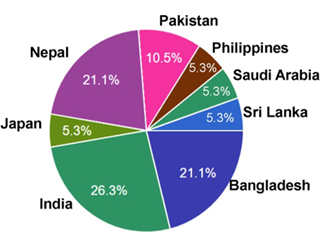
Figure 1. Countries responded
The significant outcomes of this study are:
- The information gathered via this survey indicates that there is not much focus on Science Diplomacy outside India in the Asian continent. Most countries do not have a specific overarching science diplomacy strategy or national policy document.
- The main goals of these countries are increasing national capacities and addressing global challenges. Access to large-scale infrastructures and evidence-based decision-making is also part of the core actions. Boosting linkages with the scientific diaspora and strengthening the quality of higher education are also important objectives.
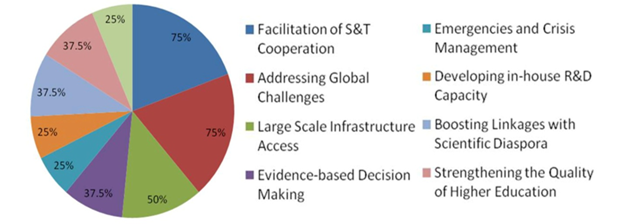
Figure 2. Core Objectives of science diplomacy strategies
- Interestingly, many Asian countries are looking for regional collaborations.
- Government stakeholders are leading SD approaches.
- Bilateral and multilateral S&T cooperation agreements are widely used to advance Science Diplomacy, followed by S&T advisors attached to embassies and national or research-funding schemes.
- Most countries do not have specifically designed SD training mechanisms. Only India and the Philippines have a few mechanisms. Online courses, workshops and seminars are the most frequent mechanisms offered for SD training.
- SDG-1 (No Poverty), SDG-2 (Zero Hunger), SDG-3 (Good Health and Well-being), SDG-4 (Quality Education) and SDG-13 Climate Action) are identified as the major targets of immediate importance for international collaborations. India has a big potential in transcending SD in the Asian region.
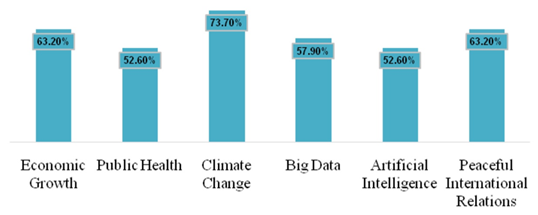
Figure 3. Preferential areas for collaboration among selected Asian countries
Project Code: NIScPR/OLP/0011/2021
PI: Dr Shiv Narayan Nishad
Duration: 2021-2022
Objectives
The present study provides a quantitative assessment of water use for irrigation from surface water and ground water (blue water) for agriculture purposes using water footprint approach. The study also explored the dependency on water resources for sustainable food supply in terms of water footprint sustainability indicator. The primary goals were:
- Assessment of blue water dependency for sustainable food supply versus blue water availability.
- To develop indicators for mapping of water sustainability which may be useful for policy formulation for better management of water resources and sustainability.
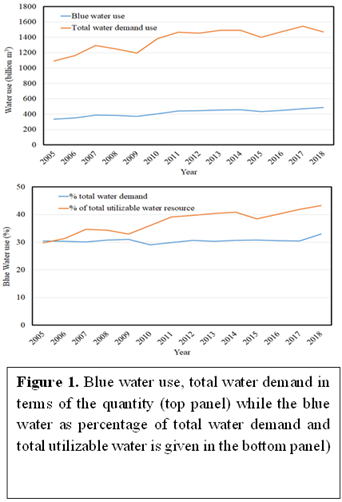
Figure 1. Countries responded
Outcomes/Results
The analysis shows that food grains are major blue water consumers – about 39% of the total water demand is met from the blue water. In terms of crops, 70% of the total water demand for wheat crop production is met from the blue water while rice water demand from blue water is about 33%. The share of blue water for use for fruits, vegetables, pulses, oil crops, sugarcane are 30%, 35%, 18%, 21% and 56% of the total water use for the production of the crops. The total blue water consumption was about 486 billion m3 in the year 2018 for the production of food grains, fruits, vegetables, oil crops, sugarcane etc. which is about 43% of the total utilizable water resource available. Time series analysis of the period 2005-2018 of the blue water use shows that there is an increasing trend in the blue water consumption for the production of the food. The blue water use was 333 billion m3 in the year which has increased to 486 billion m3 in the year 2018.
The main observation from the study is that the blue water demand has increased with increase in food demand; the balance between water demand and water availability has reached critical levels. There is need for better management practices to reduce the wastage of fresh water.
Project Code: NISCPR/OLP/0012/2021
PI: Dr M Rais
Duration: 2021-2022
Objectives
- To identify the traditional foods that provide nutrition and have a positive impact on health.
- Inputs for policy for inclusiveness based on innovative and virtuous “holistic” model of traditional food production and distribution, health and modern agribusiness solutions.
Outcomes/Results
While efforts are being made around the world to achieve food self-sufficiency and solve health concerns, millets have garnered recognition as vital crops to overcome food insecurity. Millets are well-suited crops to diversify cropping systems for climate resilient agriculture due to their unique nutritional profile, excellent health benefits, and C4 photosynthetic pathway.
However, the biggest concern related with millet production is the shrinking worldwide cropping area. The agricultural statistics has shown an unexpected fall in the area, production and yield of millets in India (Directorate of Economics and Statistics Report 2019-2020).
The primary causes of the decline in consumption are a lack of knowledge about the nutritional benefits, inconveniences associated with food preparation, a lack of processing technologies, as well as government policies that discourage the consumption of millets and favour the supply of high-quality cereals at reduced costs.
Policy Recommendations
- Millets Policy should address issues of research, production, consumption, value-addition opportunities and health benefits in an integrated manner.
- Policy and budgetary allocation competition of millets with other modern or popular crops such as wheat, rice and leguminous crops should be addressed with specific targets benefitting marginal farmers in the remote and fragile areas.
- Monetary and fiscal incentives for Millets based enterprises should be initiated separately.
- National Health Mission should also popularize the benefits of consumption of the miraculous millets and its value added products addressing the lifestyle related diseases.
- A long-term perspective strategy for millets research should be developed, and millets should be treated equally to other crops in terms of research visibility and funding distribution.
- In order to effectively reach common people on a big scale, special emphasis should be paid to addressing the research needs of small business owners engaged in the millets food industry.
Project Code: NIScPR/OLP/0013/2021
PI: Ms Pramila Majumdar
Duration: 20221-2022
Objectives
The COVID-19 pandemic highlighted the important role of linkages among firms, governments and academia in addressing the challenges faced to overcome the pandemic. This focused attention on knowledge-driven clusters in life sciences. Genome Valley cluster becomes important to study in-depth in this context. The structure and dynamics of this cluster, the response of firms in this cluster to address the challenges of COVID-19, and the successful pathways some of the firms could take are some of the important aspects needed to be examined in-depth to discern key enablers in successful translation from research-innovation-commercialization.
Outcomes/Results
The study identified competencies of the firms, their linkages and various other factors that have helped shape their competencies and develop solutions for mitigating COVID-19.
Deeper examination within this cluster was undertaken for three firms namely Bharat Biotech International Limited, Biological E Limited and Indian Immunological Limited. These three firms were identified as playing a key role in COVID-19 vaccine development. The Indian STI ecosystem took up this challenge and the first indigenously developed vaccine came out of Genome valley, i.e., COVAXIN® by Bharat Biotech International Limited. Detailed analysis of the three firms located in the Genome Valley involved in vaccine development revealed different types of linkages. It was also observed that the largely ‘closed innovation model’ that is observed in Indian pharmaceutical/ biopharmaceutical firms is shifting towards an ‘Open innovation’ model.
Project Code: NISTADS/OLP/0015/2020
PI: Dr Sandhya Wakdikar
Duration: 2020-2022
Objectives
The project was undertaken to undertake a situational analysis of the CSIR labs in terms of the experiences of women scientists and technical staff and the difficulties faced by them in maintaining work-life balance. It was an effort in the direction of identifying the areas on which CSIR needs to work for incorporating gender parity at the workplace and was expected to help in formulating more effective policy change toward the creation of workplaces in STEM, which are safe, violence-free, and stimulating for women.
Outcomes/Results
A report Women in STEM: A CSIR Survey towards Gender Parity was brought out based on primary data gathered from two different sources, i.e., CSIR labs and individual women respondents comprising employees and students. Based on the findings of the survey, policy recommendations were proposed to help the organizations create women-friendly workplaces.
Project Code: NIScPR/OLP/0018/2022
PI: Dr Tarakanta Jana
Duration: 2022-2023
Objectives
The study provides patent information of biodegradable polymers from 2001-2020. The study analyses the overall portfolio summary which describes the overall status of the patent in terms of total application number, number of patents granted and their legal status. Secondly, the study also gives snapshot of the patent trend to establish various relations between application country, current assignees, patent class and patent family. It highlights the number of patent families, patent applications, and granted patents for each biodegradable polymer.
Outcomes/Results
Out of the five polymers studied, two polymers PLA and PCL showed exponential growth (predicted early maturity) and the rest three polymers – PHA, PBS and PBAT – showed less growth (predicted yet to mature).
Project Code: NIScPR/OLP/0019/2022
PI: Dr Manish Mohan Gore
Duration: 2022-2023
Objectives
It is important to communicate scientific knowledge to all citizens of the country to make them scientifically aware. However, a large population of India cannot read, write or communicate in English. It is therefore required to communicate science in Indian languages. India is a multi-linguistic country with 22 scheduled languages according to the Indian Constitution. Creation of new knowledge products in Indian languages is the need of the hour. Through this project workshops and brainstorming meetings were conducted with expert science communicators in different languages. Efforts were also made to create policy document and popular science literature in Indian languages.
Outcomes/Results
A National Level Brainstorming Meeting on science communication was organised on 10 January 2023. In this meeting, experts from all 22 Indian languages listed in the 8th schedule of Indian constitution joined and expressed their views.
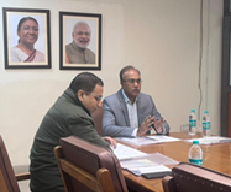
Glimpses of the brainstorming meeting
On 13 March 2023, a workshop on “Science Communication: Exploring New Horizons of Indian Languages” was organized in which 35 participants joined.
A review paper was published in the theme book of the Vigyanika event of the IISF 2022. This paper comprised an analysis of the efforts of science communication in Indian languages.
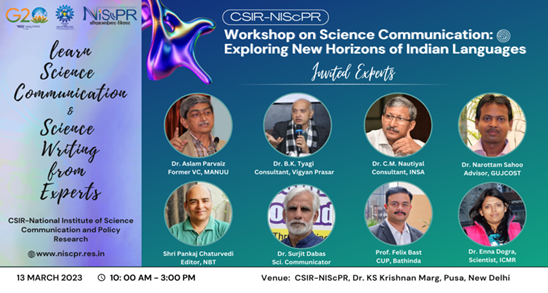
Translation of three books in three Indian languages (Marathi, Bengali and Kannada) was undertaken as a tangible outcome of the OLP.
Project Code: NIScPR/OLP/0020/2022
PI: Mr Hasan Jawaid Khan
Duration: 2022-2023
Objectives
CSIR-NIScPR is a newly formed entity emerging from the merger of CSIR-NISTADS and CSIR-NISCAIR. It completed two years of its existence in January 2023 during which the mission, mandate, programmes and activities of the Institute have been realigned and focused to transform the Institute into a global think tank in the fields of science policy and science communication.
Through this project a rebranding exercise was undertaken to increase the visibility and exposure of the newly created entity CSIR-NIScPR among various stakeholders and the public through various social media channels.
Outcomes/Results
CSIR-NIScPR institutional social media handles were set up on Twitter, FaceBook, Instagram and YouTube. Several knowledge and communication products in the form of reels, posters, creatives, short films, etc. were produced and communicated through these social media channels. These included programmes and knowledge products of CSIR-NIScPR; technologies and achievements of CSIR; knowledge products of CSIR-NIScPR; special national and international science days; quotes, achievements and birth/death anniversaries of prominent Indian scientists, etc. When CSIR was completing its 80 years of existence, a series was initiated on Twitter and Instagram showcasing significant technologies developed by CSIR laboratories in these 80 years.
A brainstorming session was organised on 6 March 2023 to discuss the good practices to enhance institutional visibility. In the meeting, eight experts expressed their viewpoints.

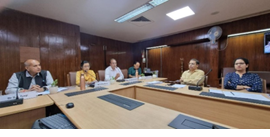
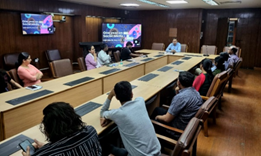
Project Code: NIScPR/OLP/0021/2022
PI: Dr Vinayak
Duration: 2022-2023
Objectives
Interdisciplinarity is effective for solving complex problems and fostering innovation. Even agriculture is not an exception. Meeting contemporary demands for meeting sustainable development goals, global needs, and for providing solutions to diverse social, technical, ecological, and economic problems big strides are being taken by the Government agencies with sustained efforts leading the agro-society towards an agricultural reform by integrating technologies of Industry 4.0.
The project had the following objectives:
- To identify emerging characteristics in research collaborations from Social Network Approach and to assess their impact on performance measures
- To develop an understanding of the underlying mechanism that leads to increased research efficiency
- To explore policy aspects stimulating growth in indigenous research efficiency through research collaborations
Outcomes/Results
Secondary data is obtained from the Clarivate Web of Science of the research published in the form of a research article or proceedings in indexed journals, viz. SCIE and CPSCI journals, in the past 12 years. A preliminary analysis was performed to sketch the profile of the publications of three countries – India, China and USA.
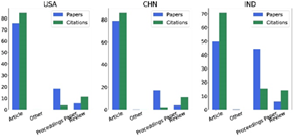
It is found that nearly 44% of the publications from Indian dataset are proceedings while nearly 80% publications are research articles in the datasets of the other two countries. From the viewpoint of performance, citations fetched by an article, on average, are much higher than that by a proceedings. This tendency evidently hampers the performance of India in AIA.
Next, nearly 40% of articles from China have been published in the top-ranked journals while for India this share is nearly 8%. The network statistics has been compared in two time windows, viz. 2010-2019(TW1) and 2020-2021 (TW2) for the three countries. The analysis reveals that the collaboration activities have increased in TW2, in all three countries. China rapidly takes lead in almost all the statistical measures indicating thereby the fastest development of collaborative infrastructure in China. These activities led China towards forming a large knowledge network. For India, there is no sign of percolation, suggesting thereby lack of a collaboration infrastructure conducive to increase growth and performance.
It was observed that knowledge-base of the authors, on average, expanded with respect to team exploration in recent years. The increase in this expansion has been sharp for the USA and China. Moreover, many authors from the USA have preferably been very cohesive to their teams and while some explored. For China, some authors have been cohesive to their teams, while many explored which in turn have been helpful to increase the knowledge-base, network growth, and performance of the country. For India, most authors remained extremely cohesive but this tendency has reduced in recent years. This indeed is a good sign from the perspective towards the development of collaboration infrastructure in early phase.
Project Code: NIScPR/OLP/0022/2022
PI: Dr Paramananda Barman
Duration: 2022-2023
Objectives
The majority of scientific communication initiatives are conducted in English, a language spoken or written by only roughly one-tenth of our population, therefore language is still a barrier to science communication in India (Barath, 2019). Science communication in Indian languages is essential for breaking this language barrier. This project is a small initiative in this direction with goals to initiate an online magazine in Assamese, research for assessing ongoing activities and understanding public perspectives, human resource training in science communication, and documentation and dissemination of the rich traditional knowledge of Assam.
Outcomes/Results
A network was established with science communicators from Assam and collaboration with CSIR-NEIST, Jorhat for initiating an online popular magazine in Assam. Content creation and editing is under process and the magazine will be released soon. A survey for assessing ongoing activities and understanding public perspectives/preferences for science communication in Assamese was also conducted. Majority of participants preferred Assamese for learning science and mentioned that it is easier for them to understand science content in Assamese.
A workshop was conducted on 6 March 2023 on “Engaging and creative ways of communicating science in Assamese: Popular stories, videos, podcasts and social media”. Some traditional knowledge and practices of North East India were also documented. Stories disseminated in collaboration with SVASTIK include Kolakhar, inland edible salt extraction, Joha rice and Poita bhat.
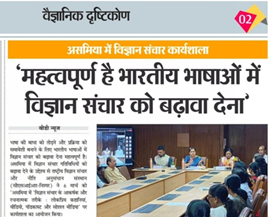
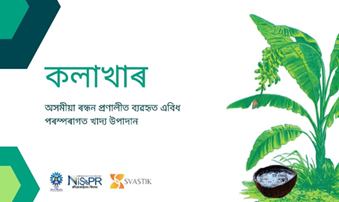
Project Code: NIScPR/OLP/0023/2022
PI: Dr Shiv Narayan Nishad
Duration: 2022-2023
Objectives
The Bundelkhand region faces water scarcity due to changing rainfall patterns, shrinking of monsoon with changing climate extending to longer dry spells that directly affect the agricultural practices. The study objectives were to:
- Evaluate water resources utilization by agriculture and domestic sector using water footprint approach
- Compare the available water resource to develop water policies and water resource management strategies
- Calculate the water sustainability index, which will help in policy planning, efficient water resource management and increase water resource efficiency.
Outcomes/Results
Analysis shows that more than 40% of water demand for agriculture in districts like Chattarpur, Datia, Panna, Sagar, and Tikamgarh is met from the ground water. The study also provides inputs to response formulation as policy recommendation for formulating policies and water resource management strategies to reduce the water footprint of the region through improving water resource efficiency. The potential stakeholders may be concerned central/states ministries for water, agriculture and resource management.
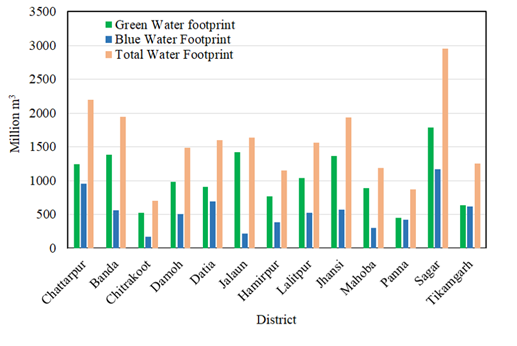
Figure 1. Green, blue and total water footprint of 13 districts of Bundelkhand region
Project Code: NIScPR/OLP/0025/2022
PI: Dr Sandhiya Lakshaman
Duration: 2022-2023
Objectives
To combat climate change resulting from hydrofluorocarbons (HFCs), Kigali Amendment to Montreal Protocol was proposed in 2016. India gave its nod to Kigali Amendment and accordingly the phase down of HFCs will take place in four steps from 2032 to 2047. In the present study, the emission scenarios of five majorly used HFCs in India, HFC-125, HFC-134a, HFC-143a, HFC-152a and HFC-227ea, with and without Kigali Amendment are developed. Here the climate forcing due to direct HFC contribution is considered, whereas the indirect contribution to climate forcing is associated with the energy used. Since most of the HFCs emitted into the atmosphere are prone to undergo oxidation by OH radical, the atmospheric oxidation potential of these HFCs is studied. Thus, the present work is centred on providing a policy mechanism to mitigate the use of HFCs.
Outcomes/Results
The project has identified the major HFCs used in India along with their radiative forcing properties. There are 9 HFCs which are banned by Kigali Amendment but still they are in use and contributing significantly to global warming. Among the 9 HFCs, five HFCs, HFC-125, HFC-134a, HFC-143a, HFC-152a and HFC-227ea are the major HFCs employed in cooling sector in India. From the available emission data of these HFCs, the radiative forcing properties are projected for scenarios with and without Kigali Amendment.
Over the years, 2000 to 2021, the HFC emissions have decreased gradually on a global level. However, the percentage contribution of HFCs emissions from India to the global has increased over the years. In particular, the HFC-125 and HFC-227ea emissions from India have contributed a maximum of ~ 12% and ~ 11%, respectively to the global emissions. It is also interesting to note that, the percentage contribution of Indian HFC emissions to global scenario remain saturated from 2017 onwards, due to the Kigali Amendment. However, the emissions of HFC-134a and HFC-125 are increasing from 2008 onwards.
The results of the present study reiterate that banning of HFCs as per Kigali Amendment should also include the atmospheric oxidation potential, product toxicity and chemical stability as policy-relevant metrics in addition to GWP. The policy mechanism should be revisited and amendments are needed taking into account the above mentioned factors.
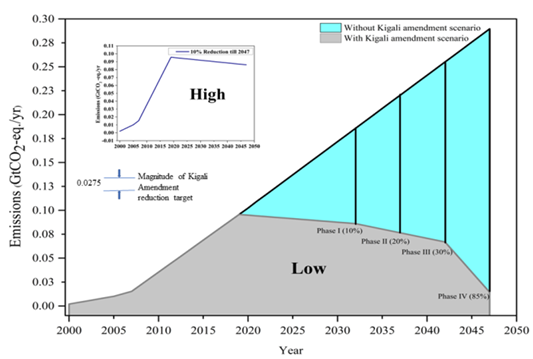
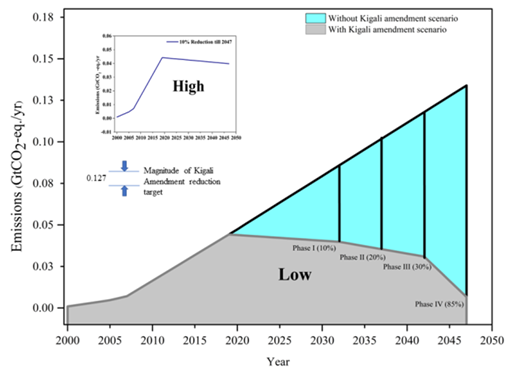
Figure 1. GWP weighted emissions of the five HFCs studied and projections as per Kigali Amendment (a) GWP-20 weighted emissions (b) GWP-100 weighted emissions
Project Code: NIScPR/OLP/0026/2022
PI: Dr Sandhiya Lakshaman
Duration: 2022-2023
Objectives
The implementation of different stages of Bharat Stage Emission standards (BSES) in India for reducing the vehicular emissions has been enforced in different parts of the country at various points of time. A quantitative assessment of the emission standards in mitigating vehicular emissions in different Indian states will provide an estimate of achievable emissions standards for future norms. In this regard, the present work reports an assessment of the BS standards – BS-III, BS-IV and BS-VI – in reducing the exhaust emissions in each of the Indian states.
Outcomes/Results
Over the years 2013-2022, the NOx emissions are the major contributors of vehicular emissions in all the states studied. Surprisingly, the BS-IV vehicles contributed significantly to vehicular emissions in particular states when compared to the BS-III vehicles. It was needed to analyze the impact of meteorological and topographical factors on the vehicular emissions. The results revealed that the vehicular emissions are largely dependent on the temperature and altitude and with an increase in temperature and at high altitudes, the CO and VOC emissions are predominant, even in regions with low vehicle population. This finding therefore indicates that the emission limits are not the same for all over the country and meteorology dependent emission limit should be included in framing the vehicle emission norms.
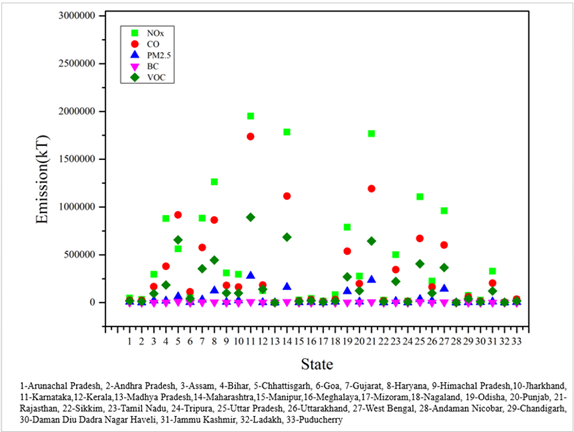
Figure 1. Cumulative pollutant emissions for the years 2013-2022 obtained from on-road vehicular population and emission factors
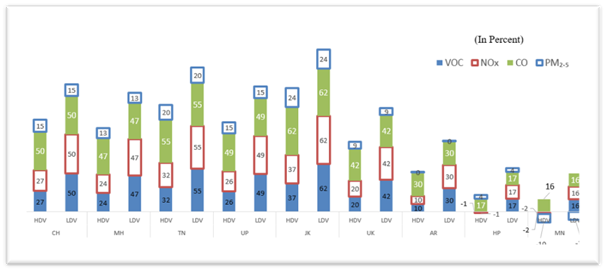
Figure 2. Percentage increase in emissions with inclusion of meteorological parameters
Project Code: NIScPR/OLP/0028/2022
PI: Dr Suman Ray
Duration: 2022-2023
Objectives
Traditional medicinal practices offer an attractive basis for testing novel remedies against Alzheimer's Disease (AD). India's traditional medicine system, Ayurveda, is rich in various forms of traditional medicine, and certain herbs have been categorized as Medhya Rasayanas, which have been used for centuries to enhance cognitive abilities and brain function. The study objectives were:
- To identify precursors to AD for early disease diagnosis and treatment.
- To explore the safety, efficacy, quality and therapeutic properties of 'Medhya Rasayanas’ in the context of AD.
- To explore possible healthcare policy outcomes based on the above study.
Outcomes/Results
Research and review articles highlighting the effects of Medhya Rasayanas against AD, dementia, and neurodegeneration were screened using data search engines such as Google Scholar, Pubmed, and ScienceDirect. Ayurvedic plants described as Medhya Rasayanas (including Bacopa monniera, Centella asiatica, Withania somnifera, Evolvulus alsinoides, Nardostachys jatamansi and Acorus calamus) were inspected to conduct further in-depth literature reviews. Accounts highlighting the efficacy of selected plants against AD-specific pathogenesis were screened and analyzed. The pre-clinical and clinical studies highlighting the efficacy of selected plants against AD-specific pathogenesis were also analyzed.
The bioactive components from nootropic plants have shown neuroprotective effects through various mechanisms. Promising results were obtained from the therapeutic efficacy of nootropic plants such as Withania somnifera, Bacopa monniera, and Centella asiatica in limited clinical trials available. However, to establish the therapeutic efficacy of herbal therapy against AD, more clinical trials with large sample sizes must be carried out, and an elaborated mechanism of action against AD must be deciphered.
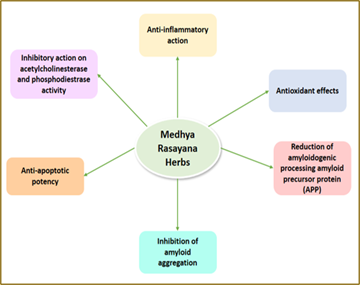
Figure 1: The mechanistic insights of Medhya rasayana herbs against the pathogenesis of AD have been elucidated. These plants exhibit promising effects in reducing beta-amyloid aggregation and neuroinflammation; show anti-oxidant and anti-apoptotic activity, thereby providing a potential avenue for the AD management
Policy Recommendations
- There is a need for a national management plan for AD.
- There is a need to find the risk factors of the disease on a regional level and to keep it from getting out of control.
- There is a need for developing customized policies that will be more suitable for each individual state's population.
Project Code: NIScPR/OLP/0030/2022
PI: Dr Charu Lata
Duration: 2022-2023
Objectives
A pilot project was executed to document and communicate India’s scientifically validated traditional knowledge to successfully implement and support the national initiative branded as SVASTIK. During the project, the need for preparing a concept document was realised. As an outcome of the project, a total of 10 TK/practices with scientific basis were identified, documented and communicated through SVASTIK social media channels. The present study was a continuation of the previous project. The study envisaged to identify, document and disseminate India’s rich TK/practices to the masses in various Scheduled Indian languages; to catalogue the validation criteria in various TK domains; and to decode the understanding and perception of the public.
Outcomes/Results
A total of 22 TK/practices with scientific basis in the domains of metallurgy, traditional medicinal systems, mathematics, sustainable agriculture and traditional foods, water, architecture and Indian commerce were obtained, verified and documented in a uniform format, and communicated in English and 10 Indian languages through social media channels using simplified and attractive infographics and audio-visuals, popular lectures, and webinar. Crowdsourcing and literature survey strategies were used for identification of scientifically validated traditional knowledge. Expert views/publications were considered for evaluating the scientific validation claims. For communication, social media campaign, popular lectures, webinar and partnering with MyGov and KAMP was done. Brainstorming sessions and dialogues were conducted to come out with a base document.
Through social media, SVASTIK has reached approximately 324.9 K people on Twitter, 16.8 K on Instagram, 22.4 K on LinkedIn and 51.9 K on Facebook. Various activities were conducted in partnership with MyGov and KAMP for promotion of Indian traditional knowledge. A concept/base document as a compilation of scientific validation criteria in various TK domains is being prepared for reference purposes. A survey was conducted with about 113 participants about their views on traditional knowledge communication and ways to improve it. The survey showed a positive indication of the public's interest and engagement in this topic.
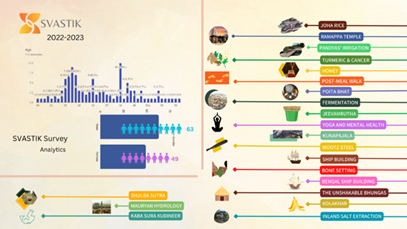
Project Code: NIScPR/OLP/0031/2022
PI: Dr Sujit Bhattacharya
Duration: 2022-2023
Objectives
Social network analysis (SNA) is a conceptual as well as a methodological approach. SNA helps to construct a conceptual framework based on structural embeddedness of the actor’s overall linkages and individual linkages in a system. This helps to bring insights into the group structure, the interaction patterns, and the strength of the relationship among different actors. Various tools and techniques have been developed in SNA, which provide a novel analytical/methodological approach to studying relationships and interactions. With wide applications of SNA, there are two types of challenges in incorporating social network analysis in research studies. There are various software for social network analysis and visualization. Many of them are open access. It requires expertise to be developed over a period of time to undertake desired analytics. It is understood in a narrow sense in India and is primarily being used in scientometric studies for research mapping. This lack of guidance has led to only limited types of studies being undertaken using social network analysis in India.
Outcomes/Results
The project has developed a handbook to facilitate learning of SNA software, usage and application in different contexts. Case studies have been developed in this context which can help in learning and imparting training in SNA.
Project Code: NIScPR/OLP/0032/2022
PI: Dr Sujit Bhattacharya
Duration: 2022-2023
Objectives
India has emerged as a hub for startup creation in the world. It has now the third largest startup ecosystem in the world in terms of size. India also stands very well when compared globally on various other parameters such as sectoral diversity, unicorn creation, and employment generation. Strong policy push and schemes that have been implemented are some of the key enabling factors behind India’s startup success. However, despite this remarkable success, there are only a few startups created in high technology. The study examined the critical requirement for supporting the creation of start-ups in high technologies and particularly in IoT based, and After Treatment technologies.
Outcomes/Results
The study draws attention to the need for differentiation in terms of policy interventions, support system and framework conditions for enabling technology startup creation and growth.
Project Code: NIScPR/OLP/0036/2022
PI: Dr Monika Jaggi
Duration: 2022-2023
Objectives
- To understand the links between education and science diplomacy.
- To study the role of science diplomacy in achieving sustainable development goals.
- To identify the best technologies that can be shared among selected Asian countries.
Outcomes/Results
This project was an extension of last year's study on SD strategies in selected Asian countries. This year, the focus was on exploring the links between education and SD. The study found that high-quality higher education is a valuable resource for any country, and India has a long history of providing quality education. The internationalisation of higher education can enhance the quality of education and positively impact the economy through educational scholarships, research collaborations, diversified curriculum.
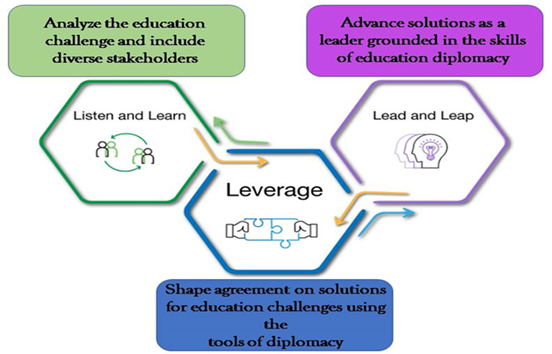
Figure 1. The “5L” Education Diplomacy Framework
The second objective of the project focused on the role of SD in achieving SDGs. The study found that SD can significantly contribute to SDGs by promoting international collaborations in areas such as renewable energy, sustainable agriculture, environmental protection, disaster risk reduction, global health, and economic development. While progress has been made in implementing SD in India and other countries, there is still work to be done. Identifying and applying tools for effective management of national challenges are essential to ensure the success of SD.
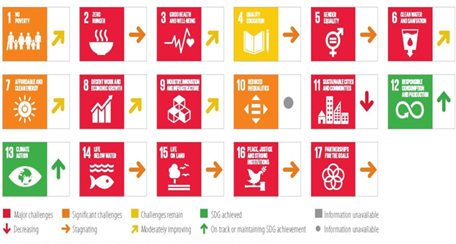
Figure 2. India’s SDG performance dashboard and trends. (Source: Sachs et al., 2022)
The project’s third objective aimed to identify the latest technologies developed by the CSIR that can be shared with neighbouring countries to foster long-term economic growth.
The final objective of the project was to study best practices that can be implemented to strengthen SD in India. This was done through a comparison of existing institutional networks between countries and by conducting case studies. The case studies highlighted that SD can be a powerful tool for building relationships between countries, advancing international diplomatic goals, and promoting economic and social development. They also showed that SD is a global phenomenon and that both developing and developed countries are actively engaged in it. The findings suggest that India can benefit from enhancing its SD efforts by implementing the best practices identified from these case studies.
Project Code: NIScPR/OLP/0037/2022
PI: Ms Pramila Majumdar
Duration: 2022-2023
Objectives
The study aims to understand the structure and dynamics of an important life science cluster in India, the Genome Valley cluster. The specific focus is on the cluster response during COVID-19. The study examines the challenges faced by the cluster during the pandemic situation and how the cluster managed to overcome these to prepare and enable the cluster to face future emergencies/disasters. The study tried to decipher where the cluster stands in the Global Value Chain. Also, the focus was to understand how the cluster managed to leverage the innovations during the pandemic situation to generate appropriate knowledge assets.
Outcomes/Results
The study identified firms having a presence in the Genome Valley cluster or supported by an entity located in the Genome Valley and having made contributions related to COVID-19 mitigation measures. A questionnaire to assess both the general challenges and challenges in vaccine development was generated. Also, to understand how technological solutions for addressing the COVID-19 pandemic materialized so quickly, a study was undertaken to look into the innovative products supported by IKP Knowledge Park through the IKP COVID Fund (ICO Fund). A total of 17 products in four different categories viz. Medical devices and equipment; Personal Protective Equipment (PPE); Screening and Monitoring/AI Connected Systems; any other (Diagnostics, Online counseling services, and Air Disinfection) from 18 start-ups/SMEs were studied.